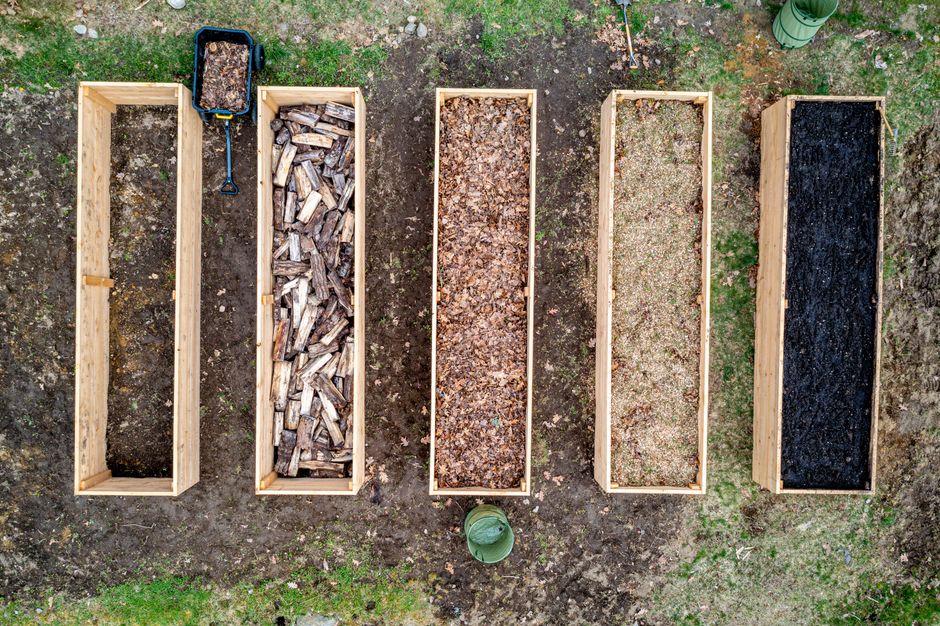
A 4 x 8 raised garden bed gives you nearly 32 square feet of growing space without bending over ground level. If you're ready to control what grows in your yard, skip the struggle of compacted soil and pests, and start with a bed sized for real productivity and comfort.
The 4 x 8 dimension is one of the most practical sizes for home gardeners. It's large enough to grow a mix of vegetables, herbs, and flowers for a family. It's small enough to fit in most residential backyards. And the length works perfectly when you access the bed from the sides rather than trying to reach the middle from one end.
If you're planning a garden upgrade, Home Patio Pro carries raised garden beds in galvanized steel and wood options that give you the structure to start growing right away.
Related: Best Waist-High Raised Garden Bed for Easy Gardening
Related: Raised Garden Bed Ideas That Actually Work
Related: Best Metal Raised Garden Beds 2026: Top 5 Ranked
Related: Best 4x6 Raised Garden Beds 2026: Top 5 Ranked
Related: Best DIY Raised Garden Beds Cheap 2026: Top 5 Ranked
Related: Best Budget-Friendly Raised Garden Beds 2026: Top 5 Ranked
Related: Metal Raised Garden Bed DIY: Build Your Own in 4-8 Hours
Related: Best Vertical Raised Garden Beds 2026: Top 5 Ranked
Why Size Matters: The 4 x 8 Sweet Spot
A 4 x 8 bed strikes a balance that standard smaller beds don't. At 32 square feet, you have room to plant rows of carrots, lettuce, tomatoes, and herbs without wasting space. Yet it's narrow enough that you can reach the center from either side without stepping into the bed or overextending.
That accessibility matters more than you'd think. When you can't comfortably reach your plants, weeding and harvesting become a chore. You skip maintenance. Plants suffer. A 4 x 8 bed keeps everything within arm's reach from standing on the ground beside it.
The length also lets you organize your garden mentally. Plant cool-season crops on one end and warm-season crops on the other. Dedicate one third to herbs, another to leafy greens, and the rest to root vegetables. That structure makes planning easier and harvesting more efficient.
Material Choices: Steel vs. Wood
You'll see raised beds made from galvanized steel and wood, each with real advantages.
Galvanized steel holds its shape year after year. It won't rot, crack, or warp in sun or rain. Steel is lightweight enough to move if you need to, yet sturdy enough to hold heavy soil and the weight of water saturation. If you want a bed that lasts with minimal maintenance, steel is the practical choice.
Wood has visual warmth that complements garden landscapes. It feels more traditional and blends into patios and backyards naturally. The downside is that untreated wood breaks down over time, especially in wet climates. Treated wood lasts longer but requires checking the type of treatment used.
A Galvanized Steel Raised Garden Bed delivers durability without the upkeep. No painting, no sealing, no replacement cycles to track.
Drainage and Soil Setup
A quality 4 x 8 raised bed includes drainage holes or gaps that let water move through the soil instead of pooling at the bottom. Waterlogging kills roots and attracts rot and disease. If your bed doesn't have drainage built in, you'll need to drill holes yourself before filling it.
Ready to upgrade your outdoor space?
Shop Home Patio Pro →Plan on buying soil specifically for raised beds, not topsoil or garden soil from the ground. Raised bed soil is formulated to drain well while holding enough moisture and nutrients for plants. You'll need roughly 32 cubic feet (or about 15-20 bags, depending on the brand and bag size) to fill a 4 x 8 bed at a standard depth of 10-12 inches.
Many gardeners add amendments as they fill: compost, peat moss, coco coir, or aged manure. These boost nutrients and help the soil retain moisture. Mix as you layer to create a balanced growing medium.
Placement and Sun Exposure

Where you put your 4 x 8 bed changes what you can grow. Most vegetables need 6-8 hours of direct sun daily. Leafy greens tolerate partial shade. If you're in a hot climate, afternoon shade in summer prevents lettuce from bolting and keeps herbs from stress.
Check how light moves across your yard at different times of year. A spot that gets full sun in spring might be shaded by trees or structures in summer. Choose a location that drains naturally (not a low spot where water pools after rain) and stays relatively level.
Access also matters. Place your bed near a water source if possible, and keep it on a path you naturally walk to make daily maintenance and harvesting easier.
Maximizing Growth with Vertical Support
A 4 x 8 bed becomes even more productive when you add vertical growing. Install a Metal Garden Trellis along the long side to train vining crops like cucumbers, beans, peas, and indeterminate tomatoes upward. You save ground space and improve air circulation around plants, which reduces disease pressure.
Vertical growing also makes harvesting easier. Fruit and vegetables hang at waist level instead of hiding at ground level. You're less likely to miss a ripe harvest, and picking becomes faster and more comfortable.
You can even create a living wall effect by layering trellises or adding multiple supports for a pollinator-friendly vertical garden.
What You Can Grow in a 4 x 8 Bed
The versatility is one of the biggest wins. You can grow vegetables year-round depending on your climate. Plant tomatoes, peppers, and eggplants in warm seasons. Transition to kale, broccoli, spinach, and lettuce as temperatures drop. Fill edges with herbs like basil, parsley, dill, and oregano. Add flowers like marigolds and nasturtiums to attract pollinators and add color.
A single 4 x 8 bed can feed a household of 2-4 people with consistent harvests if you rotate crops and succession plant (planting new seeds every few weeks so you're harvesting continuously).
Getting Started
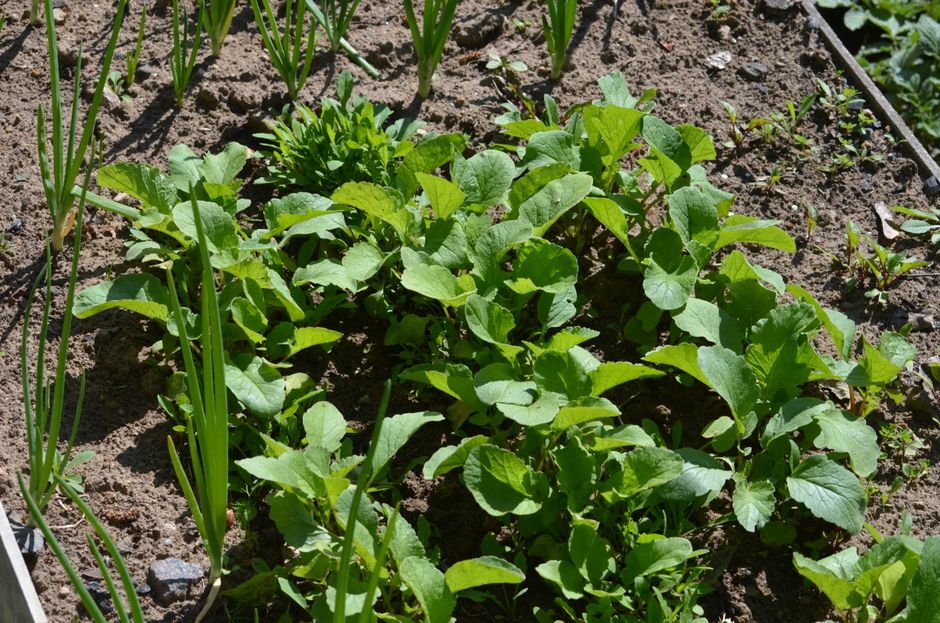
Before you buy, measure your space and check sun exposure. Decide whether you prefer the longevity of steel or the aesthetic of wood. Plan what you want to grow so you can orient the bed and add supports like trellises if needed.
When you're ready to order, Home Patio Pro offers raised garden beds that are straightforward to assemble and built to last. Check current pricing and specifications on the product pages to find the right fit for your garden.
How deep should a 4 x 8 raised garden bed be?
A depth of 10-12 inches works well for most vegetables, herbs, and shallow-rooted flowers. If you're growing root vegetables like carrots or beets, aim for 12-18 inches. Deeper beds retain more moisture, which is helpful in dry climates, but require more soil to fill. Standard 12-inch depth balances cost, drainage, and plant health for most home gardens.
Do I need to line the bottom of my raised bed?
If your bed sits directly on soil, you don't need a liner. Roots and beneficial soil organisms can move between your bed and the ground below. If you're placing the bed on a patio, deck, or contaminated soil, a landscape fabric or cardboard liner prevents weeds from growing up through the bed. Just make sure water can still drain through the bottom.
Can I move a 4 x 8 raised garden bed once it's filled?
A filled 4 x 8 bed weighs several hundred pounds and is difficult to move by hand. If there's any chance you'll want to relocate it, consider a wooden design or place it in its final location before filling. Steel beds are lighter than wood when empty, so repositioning before adding soil is realistic.
What's the best time to set up a 4 x 8 raised garden bed?
Spring and fall are ideal. Spring lets you catch the main growing season. Fall gives you time to set up and amend soil before winter, so you're ready to plant in spring. You can set up in summer too, but the heat makes outdoor assembly harder and you'll need to water more frequently while plants establish.
Ready to upgrade your outdoor space?
Shop Home Patio Pro →