
Why Build a Cheap Raised Garden Bed?
Raised garden beds transform your backyard into a productive growing space without breaking the bank. Whether you're a first-time gardener or expanding an existing plot, budget-friendly options let you start small and scale up as your confidence grows. The key is knowing which materials deliver the best value and durability for your climate and soil needs.
The good news: you have plenty of affordable choices. From repurposed materials to ready-made galvanized options, there's a solution for every gardener and every budget. Home Patio Pro specializes in outdoor garden solutions that balance quality and affordability, making it easy to find raised beds that won't drain your wallet.
Related: Best Budget-Friendly Raised Garden Beds 2026: Top 5 Ranked
Related: Best 4x6 Raised Garden Beds 2026: Top 5 Ranked
Related: Best Metal Raised Garden Beds 2026: Top 5 Ranked
Comparison Table: Top 5 Budget Raised Garden Bed Options
| Product | Best For | Rating |
|---|---|---|
| Galvanized Steel Raised Garden Bed | Year-round durability | ★★★★★ |
| Reclaimed Wood Planter Box (DIY) | Budget-conscious builders | ★★★★☆ |
| Planter Wall Blocks (DIY) | Quick assembly | ★★★★☆ |
| Repurposed Tire Planter (DIY) | Free or minimal cost | ★★★☆☆ |
| Wooden Raised Garden Bed with Wheels | Portable flexibility | ★★★★☆ |
#1: Galvanized Steel Raised Garden Bed (Our Pick)
The Galvanized Steel Raised Garden Bed from Home Patio Pro is the top choice for homeowners seeking a true cheap-but-quality solution. It's affordable, lasts for years, and requires zero assembly beyond placement and soil filling.
Ready to upgrade your outdoor space?
Shop Home Patio Pro →Pros:
- No tools, no building skills required—just unbox and fill
- Rust-resistant galvanized steel won't degrade like untreated wood
- Affordable upfront cost with long-term durability
- Keeps soil contained and warm for earlier growing seasons
- No chemical treatments or safety concerns
Cons:
- Steel conducts heat in hot climates, so soil can get warm
- Limited customization—you get the size as offered
Why It Wins: You're buying a finished product that eliminates material sourcing, cutting, and construction headaches. For the money, it's unbeatable. Home Patio Pro offers this option at a price point that beats most DIY builds when you factor in your time.
#2: Reclaimed Wood Planter Box (DIY)
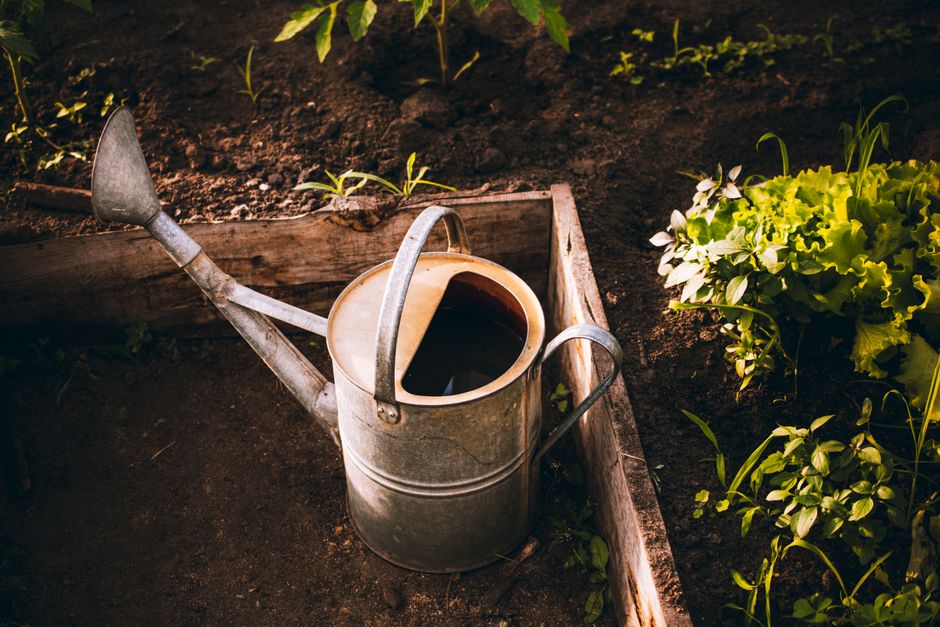
If you enjoy hands-on building and have access to scrap wood (pallets, barn siding, old fence boards), a wooden raised bed is incredibly cheap and rewarding to construct. Many homeowners find free or low-cost reclaimed lumber through salvage yards or community sharing networks.
Pros:
- Material costs can be nearly zero if you source reclaimed wood
- Customizable—build any size or shape you want
- Natural aesthetic fits most garden styles
- Straightforward to repair or expand later
Cons:
- Untreated wood rots within 3-5 years in wet climates
- Requires tools, skill, and time to build correctly
- Treated wood may contain chemicals harmful to edible crops
Assessment: Great for gardeners with carpentry experience or free time, but factor in the eventual replacement cost as wood deteriorates.
#3: Planter Wall Blocks (DIY)
Stackable planter wall blocks are an inexpensive, low-tech way to assemble a raised bed. These interlocking concrete or composite blocks stack like LEGO, requiring no mortar or special tools.
Pros:
- Minimal assembly—just stack and lock into place
- Durable and weather-resistant
- Affordable per-block pricing allows you to build any height
- Reusable if you move or redesign your garden
Cons:
- Heavy to transport and stack yourself
- Blocks alone don't prevent soil escape—you may need a liner
- Gaps between blocks can allow pests entry
Assessment: Best for small to medium beds where you're willing to do manual labor but prefer minimal construction skill.
#4: Repurposed Tire Planter (DIY)
Old tires stacked and filled with soil create a free or nearly-free raised bed. Many tire shops will give away used tires, making this the cheapest option by far if you can source them.
Pros:
- Often free—saves tires from landfills
- Quick setup, no tools needed
- Surprisingly durable outdoors
- Easy to stack multiple tires for height
Cons:
- Rubber can leach chemicals into soil over time, especially with edibles
- Tires heat up in summer, stressing plants
- Looks utilitarian unless you paint them
- Soil escapes through tire sidewalls without a liner
Assessment: Good for ornamental plants or flowers, but many gardeners avoid them for vegetable crops due to chemical concerns.
#5: Wooden Raised Garden Bed with Wheels (DIY or Pre-Built)
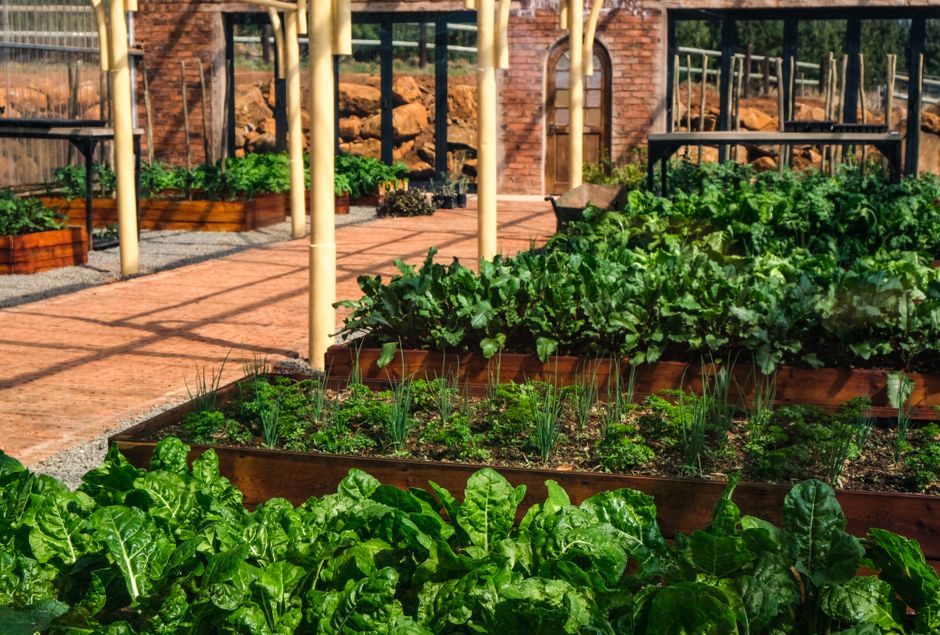
The Wooden Raised Garden Bed with Wheels offers mobility without the hefty price tag of a full greenhouse. You can roll it to follow the sun or shield it from harsh afternoon exposure.
Pros:
- Move your garden seasonally or as needed
- Elevated design reduces bending and back strain
- Wheels lock to keep the bed stationary
- Works on any surface—patio, deck, or lawn
Cons:
- Slightly pricier than stationary alternatives
- Wheels require maintenance to roll smoothly
- Wood still faces long-term durability challenges
Assessment: Excellent if you want flexibility and are willing to pay a bit more for convenience and mobility.
How to Minimize Costs Further
Source Recycled or Salvage Materials: Local Facebook groups, community boards, and salvage yards often have free or cheap wood, blocks, and materials. One gardener's discard is your raised bed foundation.
Buy Soil in Bulk: Large raised beds need a lot of soil. Get quotes from landscape suppliers for bulk deliveries rather than buying bags. Some even offer compost or aged soil at discount rates.
Use Cardboard as a Base: Lay flattened cardboard at the bottom of your bed to suppress weeds before adding soil. It's free, biodegradable, and effective.
DIY Compost: Fill your bed with layers of kitchen scraps, yard waste, and leaves instead of buying premium potting soil. The mixture breaks down and enriches your soil over time.
Start Small: One 4x8 foot bed is more manageable and affordable than three. Expand next season once you've learned what works for your space.
When to Buy Pre-Made vs. Build DIY
If you have tools, time, and access to affordable materials, DIY can save money. But don't underestimate the value of a pre-made solution. Home Patio Pro offers durable galvanized options that eliminate sourcing, cutting, and assembly while keeping costs low. For busy homeowners or those without a workshop, pre-made beds offer faster results and peace of mind.
DIY shines when you're patient, hands-on, and have free or salvaged materials. Pre-made beds shine when you value your time and want guaranteed durability without maintenance surprises down the road.
The Bottom Line
The Galvanized Steel Raised Garden Bed remains the smartest affordable choice. It combines low upfront cost, zero assembly complexity, and years of worry-free performance. If you prefer a hands-on project and have the time and skills, reclaimed wood or planter blocks can work too. Either way, start with one bed, grow food or flowers with confidence, and expand your garden as your budget and experience allow.
How deep should a cheap raised garden bed be?
Most vegetables need 8-12 inches of soil depth. Leafy greens like lettuce and spinach thrive in 6 inches, while carrots and potatoes need 10-12 inches. Root vegetables need deeper beds, so plan accordingly. A shallow bed works fine for herbs and ornamental plants.
What's the cheapest material for a large raised bed?
Reclaimed or salvaged wood is free if you source it from demolition sites or community shares. Planter wall blocks come next at a modest per-block cost. Galvanized steel from Home Patio Pro offers the best balance of price and longevity, eliminating future replacement costs that cheap wood incurs.
Can I use untreated wood for edible vegetables?
Yes, untreated wood is safer for edibles than pressure-treated lumber, which can leach chemicals. The trade-off is durability—untreated wood rots in 3-5 years. Plan for replacement or choose galvanized steel or composite materials for long-term peace of mind.
Do I need a liner in my raised bed?
A liner isn't required, but it helps contain soil, prevents weeds from growing up from below, and extends the life of wooden beds. Cardboard or landscape fabric work well and are inexpensive. For tire or block beds, a liner prevents soil escape through gaps.
Ready to upgrade your outdoor space?
Shop Home Patio Pro →