You want to grow vegetables but your backyard soil is basically concrete. Or maybe you just want a cleaner, easier way to garden without all the bending and back pain. Either way, raised garden bed ideas are a game changer.
The best part? You don't need to spend a fortune or have a degree in construction. People are building gorgeous, functional raised beds on budgets and making them work year after year. Let me walk you through the smartest raised garden bed ideas that'll actually make your life easier.
Why Raised Garden Beds Win
Okay, first things first. Why are we even talking about raised beds instead of just planting in the ground?
Raised beds give you better drainage, warmer soil in spring, less weeding, and zero back pain from crouching on the ground all summer. You control the soil quality instead of hoping your yard's dirt is any good. Plus they look clean and organized.
And honestly, they're not as hard or expensive to set up as you think.
Material Options for Raised Garden Bed Ideas
When you're thinking about raised garden bed ideas, your first thought is probably wood. That's fine. Wood works great and looks natural.
But wood isn't your only option. Stone blocks, composite materials, and even metal frames all work. The key is choosing something that'll last through multiple seasons without rotting or falling apart.
If you want a no-fuss option, Home Patio Pro carries galvanized steel raised garden beds that are built tough and designed to last. Galvanized steel doesn't rot, doesn't need staining, and handles weather like a champ. There's also a wooden raised garden bed with wheels if you want the classic look with the bonus of being able to move it around.
Smart Design Features Worth Adding
Built-In Seating Edges
This is a small detail that makes a huge difference. If you raise your bed high enough, you can build in a ledge or bench around the edge where you can actually sit and work.
Instead of kneeling or bending over for hours, you sit on the edge of your bed and reach in comfortably. Your back will thank you. It also gives you a place to rest while you're taking a break, which happens more often than you think.
Vertical Growing Space
Don't just grow outward. Grow up. Add a trellis, arbor, or arch to your raised bed so cucumbers, beans, peas, and tomatoes can climb.
This saves massive amounts of space in small yards and lets you fit way more plants into the same footprint. Home Patio Pro has metal garden trellises in a 4-pack that are perfect for this, plus garden arches and arbors if you want something bigger and more dramatic for climbing plants.
Ready to upgrade your outdoor space?
Shop Home Patio Pro →Colorful Finishes
A colorful raised bed isn't just practical. It's an actual design feature that improves how your whole backyard looks.
Whether your bed is painted a bold color, naturally weathered, or has that clean galvanized steel look, it'll be part of your landscape design instead of just sitting there being invisible.
Budget-Friendly Hacks That Actually Work

Building a basic 4x8 foot raised bed doesn't need to cost much. There are tons of DIY hacks out there that experienced gardeners swear by.
Some people use pallets, reclaimed wood, or concrete blocks as retaining walls. Others build self-watering systems right into the bed design so they don't have to water as often. A few folks even stack multiple shorter beds to create tiered gardens that look like professional landscaping.
The takeaway is that you have options. You can build something functional and good-looking without dropping tons of cash.
Irrigation and Self-Watering Systems
Hand watering every single day gets old fast, especially in hot weather. That's why incorporating a watering system into your raised garden bed design is smart.
Self-watering mechanisms can be DIY additions that slowly release water through a drip system. Home Patio Pro sells a drip irrigation kit that works great for this exact purpose. You set it up once, and it waters on its own schedule instead of relying on you to remember.
You can also just run a soaker hose through the bed under the soil. Either way, your plants stay consistently watered and you save water compared to splashing it all over the surface.
What to Pair Your Raised Bed With
Your raised bed doesn't have to stand alone. Think about the whole setup.
A potting bench nearby means you have a place to prep seedlings, organize tools, and get your hands dirty without dragging everything into the house. If you're serious about gardening, a portable greenhouse can extend your growing season and protect plants from harsh weather.
Home Patio Pro has both a garden potting bench with a hidden sink and portable mini greenhouse options. And if you need storage for all your garden tools and supplies, a metal storage shed keeps everything organized and protected.
Adding shade with a gazebo or pop-up canopy nearby gives you a spot to rest and gives your plants a break during the hottest part of the day.
Putting It All Together
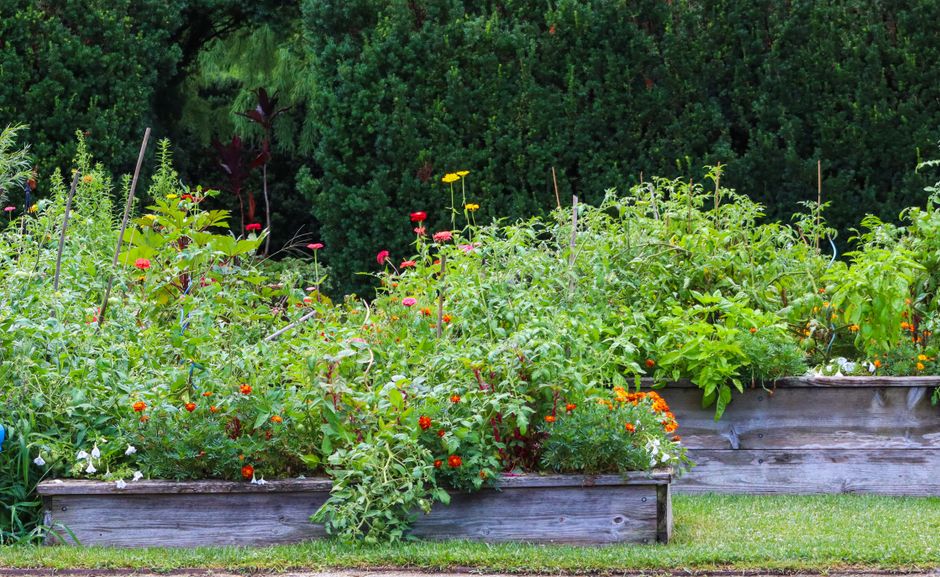
The best raised garden bed setup is the one you'll actually use and enjoy. Don't overcomplicate it.
Start with a basic design that fits your space and budget. Add features like vertical trellises, good irrigation, and comfortable seating as you go. Focus on materials that'll last, and don't stress about making it look magazine-perfect right away.
Most successful gardens grow over time, literally and figuratively. You'll learn what works, adjust next season, and keep improving.
If you're shopping for the actual raised bed structure or any accessories like trellises, irrigation, or shade solutions, Home Patio Pro has solid options at affordable prices. Check out the website to see what's available and get current pricing on products that'll make your garden project happen.
FAQs About Raised Garden Bed Ideas
How deep should a raised garden bed be?
Most vegetables do fine with 8 to 12 inches of soil depth. Root vegetables like carrots and potatoes might need 12 inches or more. If you're growing shallow-rooted stuff like lettuce and herbs, you can get away with 6 to 8 inches. The deeper you go, the better for most plants.
Can you put a raised garden bed directly on grass?
Yes, you can, but you'll have better results if you remove the grass first or put cardboard underneath to kill it. If you just set a raised bed on top of living grass, the grass underneath stays alive and competes with your plants. Killing the grass layer first means less weeds and healthier plants.
What's the best soil to fill a raised bed with?
A mix of compost, topsoil, and peat moss or coconut coir works great. You're basically making the best possible growing medium instead of relying on your yard's native soil. Check out soil science research if you want to nerd out on the specifics, but the simple version is: good compost plus quality topsoil equals happy plants.
Do raised garden beds need a bottom?
You don't technically need one. If pests like gophers and moles aren't a problem where you live, an open bottom lets roots go deeper and water drain better. If burrowing critters are an issue, line the bottom with hardware cloth to keep them out while still allowing drainage.
Ready to upgrade your outdoor space?
Shop Home Patio Pro →