
A small shed is a practical storage solution that fits neatly into most backyards without eating up your entire outdoor space. Typical small sheds range from 4x2 feet up to 8x10 feet, giving you anywhere from 8 square feet to 80 square feet of storage. The right size depends on what you're storing and how much room you actually have to work with.
Let's walk through how to pick the best small shed for your needs and what to think about before you buy one.
What Counts as a Small Shed?
Small sheds are generally anything under 100 square feet. This includes compact units like 4x2 sheds all the way up to 8x10 or even 12x16 models, depending on how you measure "small." The key is that they're designed to fit snugly into residential yards without dominating the landscape.
A 4x2 foot shed is barely bigger than a closet, but it holds basics like hand tools, shovels, rakes, and small bins. A 6x4 or 8x6 shed gives you room for a push mower plus tools and equipment. When you jump to 8x10, you've got space for seasonal decorations, sports gear, and larger equipment all at once.
How to Choose the Right Size for Your Yard
Start by measuring your available yard space. Walk around and find spots where a shed would actually fit without blocking sightlines, pathways, or access to utilities. Make sure you're thinking about sunlight and drainage too.
Next, list everything you want to store. Is it just lawn mower and hand tools? Seasonal holiday decorations? Sports equipment? Garden supplies for the whole year? Your list tells you how much cubic space you really need.
A compact 4x2 or 4x4 shed works great if you're just storing basic lawn equipment and a few hand tools. A mid-range 6x8 or 8x10 shed handles seasonal storage and lets you keep your gear organized on shelves. Anything bigger starts to feel like overkill for most homeowners with average yards.
Material Options: Resin vs. Wood
Most small sheds come in two main types: resin plastic and wood.
Related: Best 8x8 Shed for Small Yards and Garden Storage
Resin plastic sheds are low-maintenance workhorses. They come pre-assembled with floors already attached, so setup is faster. They don't rot, don't need painting, and they shrug off rain and humidity. If your climate gets wet or snowy, resin is a solid pick. The downside is they can look a bit utilitarian, though many now come in modern colors and finishes.
Related: Pop Up Gazebo for Backyard: Setup Guide & Buyer Tips
Related: Patio Furniture Buying Guide Budget: Smart Spending Tips
Wood sheds have a traditional look that blends into most backyards. They're sturdy and classic. The trade-off is maintenance: wood needs to be treated, stained, or painted regularly to stay protected from weather and rot. In damp climates, you'll need to stay on top of upkeep or the wood will deteriorate faster.
If you're looking for a durable metal shed option, Home Patio Pro carries the 10x12 Metal Garden Storage Shed, which gives you solid protection and a clean aesthetic for your outdoor storage needs.
Ready to upgrade your outdoor space?
Shop Home Patio Pro →Key Features to Check Before You Buy

Wind and snow load ratings matter more than you might think, especially if you live somewhere with harsh weather. A shed designed for mild climates might buckle under heavy snow or blow over in strong wind. Check the manufacturer specs for your area.
Look at the floor. Is it included, or do you need to build a foundation? Pre-assembled floors save you time and headache. If there's no floor, you'll need to prepare a level, compacted base (gravel or concrete).
Check ventilation. Moisture builds up inside a sealed shed, which leads to rust, mold, and rot. Good sheds have vents or louvers to keep air moving.
Doors should open wide enough to move your equipment in and out without wrestling. A ramp or level threshold makes loading easier, especially if you're moving a mower or heavy bins regularly.
What You Can Do With a Small Shed Beyond Storage
Small sheds aren't just for lawn mowers and rakes anymore. Some people use them as hobby workspaces, cozy reading nooks, or even guest retreats. If you add a window, shelving, and some lighting, a small shed becomes a functional outbuilding for hobbies like woodworking, potting plants, or organizing garden supplies.
A shed with good ventilation and a potting bench can double as a workspace for garden projects. If you're serious about growing plants, pairing a small shed with a Garden Potting Bench with Hidden Sink gives you both storage and a dedicated work surface in one area.
Installation and Placement Tips
Where you place your shed matters as much as what you buy. Put it on level, well-draining ground. Avoid low spots where water pools after rain. If you're in a wet climate, a slight slope or raised base helps water run off.
Position it where it won't shade your garden or patio unless that's exactly what you want. Think about access too. Can you get a wheelbarrow to the door? Is the path clear in winter?
Make sure there's clearance around the shed for maintenance. You'll want to paint, stain, or inspect the exterior eventually. Leave at least a foot or two of space on the sides if you can.
Organizing Your Small Shed for Maximum Space
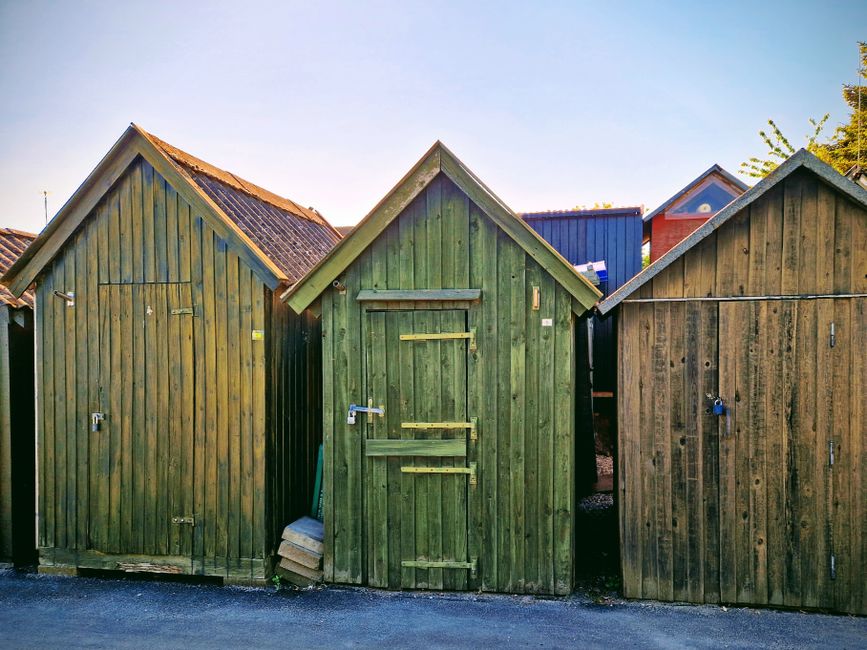
Smart organization is how you fit more into a small footprint. Wall-mounted shelves, pegboards for hand tools, and stackable bins double your usable space. Hang rakes and shovels on hooks. Use vertical storage everywhere.
Group items by category: lawn equipment in one zone, seasonal decorations in another, garden supplies in a third. Label bins so you can find what you need without tearing the place apart.
Keep heavy items low and light items high for safety and easier access. Don't overload shelves, especially over areas where you work.
Common Small Shed Questions
Before you commit, check out these questions people ask all the time.
Do I need a permit for a small shed?
Check with your local building department or homeowners association. Most places allow sheds under a certain size (often 100-200 square feet) without a permit, but setback rules may apply. Setbacks are minimum distances your shed needs to be from property lines. It's worth a quick call to avoid problems later.
How long does a small shed last?
A resin plastic shed can last 15-20+ years with minimal care. A wood shed lasts 10-15 years if you maintain it regularly, or it can deteriorate faster if neglected. A metal shed, like the 10x12 Metal Garden Storage Shed, offers solid durability when treated against rust. Lifespan depends heavily on climate and upkeep.
Can I move a small shed after I install it?
Smaller sheds with pre-assembled frames can sometimes be moved if you have the right equipment and help, but it's not easy. Once a shed is anchored to a foundation or base, moving it can damage the structure. It's smarter to get the location right the first time.
What's the best foundation for a small shed?
A compacted gravel base works for most small sheds and is affordable. A concrete pad is more durable and keeps moisture at bay better. Pavers or deck blocks are middle-ground options. The idea is to keep the shed off wet ground and prevent settling or shifting over time.
Ready to upgrade your outdoor space?
Shop Home Patio Pro →