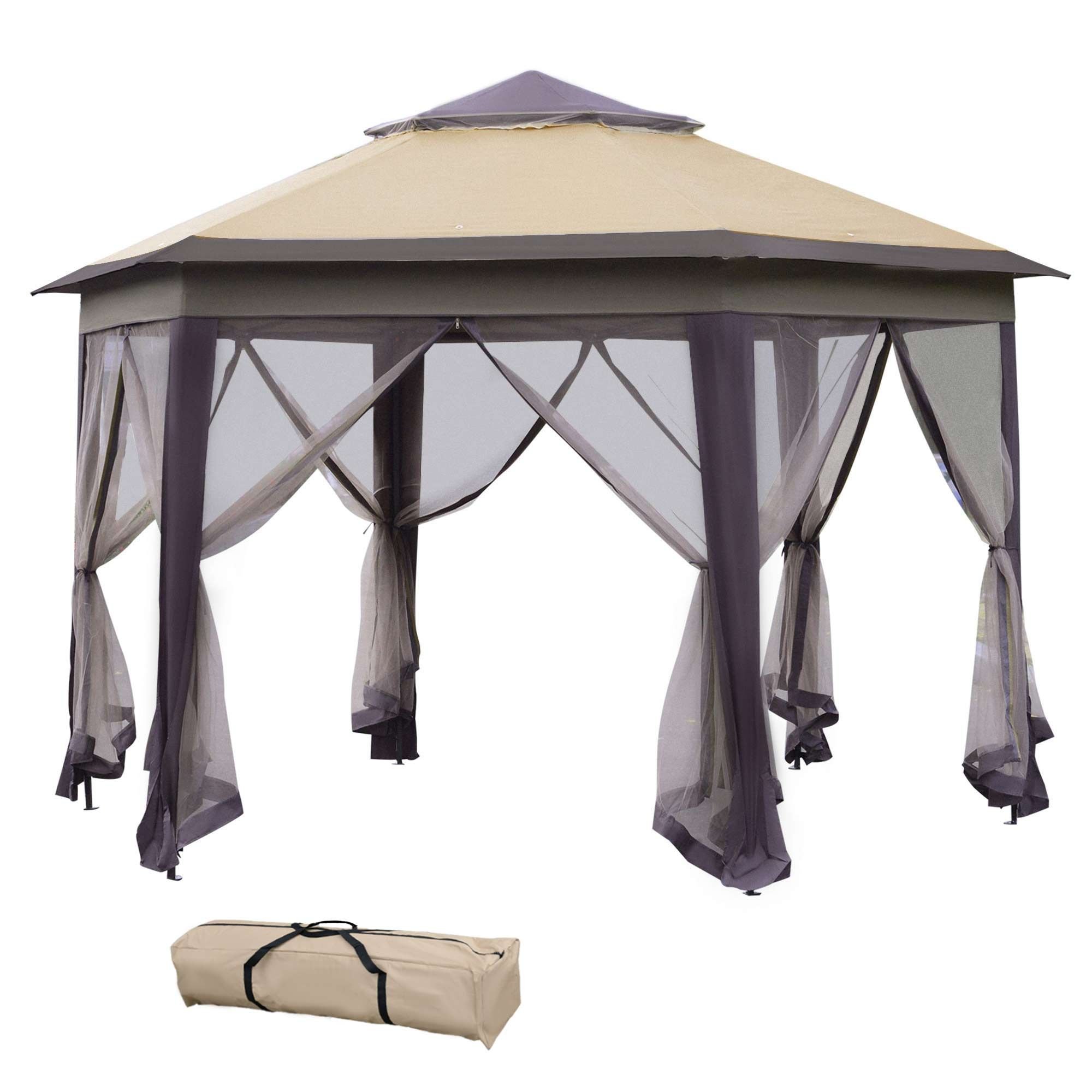
A pop up gazebo for your backyard is basically a game changer if you want shade without the commitment of building a permanent structure. Whether you're hosting a weekend cookout, creating a covered patio lounge area, or just want flexibility with your outdoor space, a pop-up gazebo does the job fast and without breaking the bank.
Here's the thing: these aren't flimsy temporary setups. Modern pop-up gazebos come with sturdy metal frames and durable canopy tops that'll hold up to regular use. And the best part? You can set one up in minutes, move it around your yard, or pack it away when you're done. Let's walk through everything you need to know.
What Makes a Pop Up Gazebo Different?
A pop up gazebo for your backyard isn't the same as a traditional gazebo. Traditional gazebos are permanent structures that require serious installation, building permits, and a lot of money. Pop-ups? Totally different animal.
Pop-up gazebos have lightweight metal frames (usually steel or aluminum) that collapse down small enough to fit in your vehicle or garage. The canopy stretches across the top and usually packs away into a carrying bag. No tools needed. No digging holes. No contractors.
You literally unfold it, extend the legs, and you've got shade in minutes. That flexibility is huge if you like rearranging your outdoor space or using your yard for different things throughout the year.
Size and Space Considerations
Most pop-up gazebo models come in standard sizes: 10' x 10' or 11' x 11'. Some go bigger, like 13' x 13'. You need to think about what you're actually using it for.
A 10' x 10' gives you enough room for a few patio chairs, a small table, or some standing room for a casual gathering. If you're planning to fit multiple pieces of patio furniture or host a proper outdoor party, you'll want to go bigger. An 11' x 11' or 13' x 13' model gives you way more flexibility and doesn't feel cramped when you've got people over.
Measure your space first. Walk it out. Make sure you've got enough clearance from trees, fences, and your house. You want room to set it up and take it down without headaches.
Frame and Durability
The frame is what keeps your pop-up gazebo standing. Steel and metal frames are the standard because they're strong, lightweight, and don't rust easily. The frame connects to the canopy top, which is usually made from polyester or another water-resistant fabric.
Look for models with reinforced joints and sturdy leg construction. You want something that won't wobble in a breeze and can handle getting moved around. Quality matters here because a flimsy frame is pointless, no matter how cheap it is.
Home Patio Pro carries a solid selection of pop-up gazebos in different sizes so you can find one that fits your backyard and your needs. Check out the options at homepatiopro.com to see what's available.
Ready to upgrade your outdoor space?
Shop Home Patio Pro →Water Resistance and Weather Protection
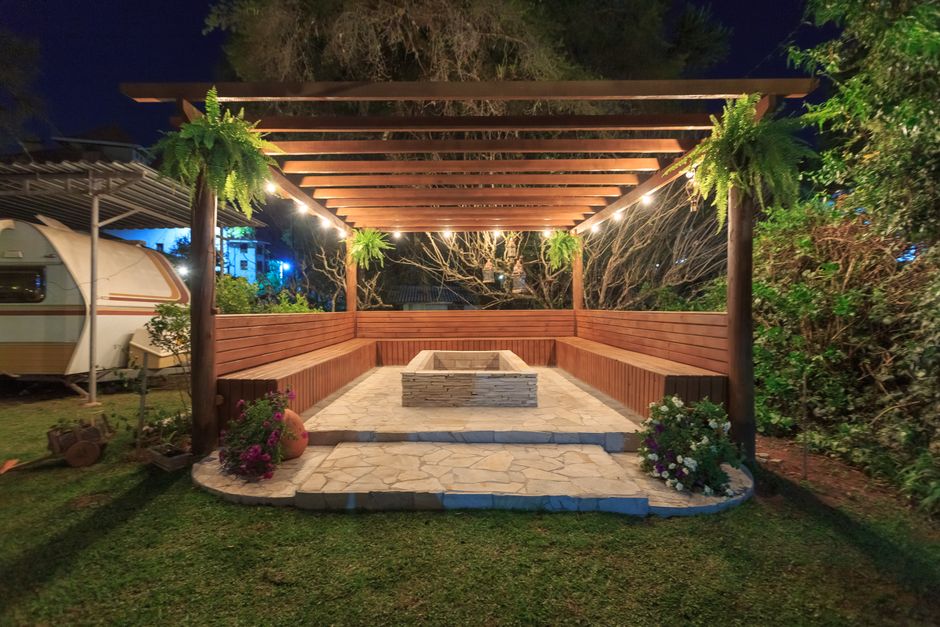
The canopy top on a pop-up gazebo isn't usually fully waterproof, but it should be water resistant. This means light rain will bead up and run off, but heavy downpours might eventually seep through. That's normal and expected.
The real benefit is UV protection. The fabric blocks the sun's rays so you stay cool and shaded underneath. Most pop-up gazebos handle sun exposure really well for months at a time.
In heavy weather or strong wind, you should pack it away. These aren't designed to stay up during storms. Think of it as seasonal or event-based shade, not a permanent all-weather solution.
Setup and Storage
This is where pop-up gazebos shine. Setup takes maybe 5 to 10 minutes, and most of it is just extending the legs and securing the canopy top. No hardware. No instructions that make your brain hurt.
Storage is simple too. The frame collapses down into a compact bundle, and the canopy folds into the carrying bag. It fits in your garage, a closet, the back of your car, or even a shed. If you've got a metal storage shed from Home Patio Pro, you've got plenty of room to tuck one away during off-season.
That portability is a huge selling point. You can move your gazebo to different areas of your yard depending on where the sun is, or take it to a friend's house for a party.
Best Uses for a Pop Up Gazebo
A pop-up gazebo for your backyard works great for a bunch of different situations. Backyard parties, picnics, outdoor markets, camping trips, or just creating a shaded lounge area on your patio. If you've got patio furniture you want to protect from the sun, a gazebo makes the perfect umbrella.
You could also use one to cover a garden workspace or protect outdoor planters and raised garden beds from intense afternoon heat. Pair it with your existing patio setup, and you've got a complete outdoor living space without the permanent installation.
Pairing Your Gazebo with Other Outdoor Products
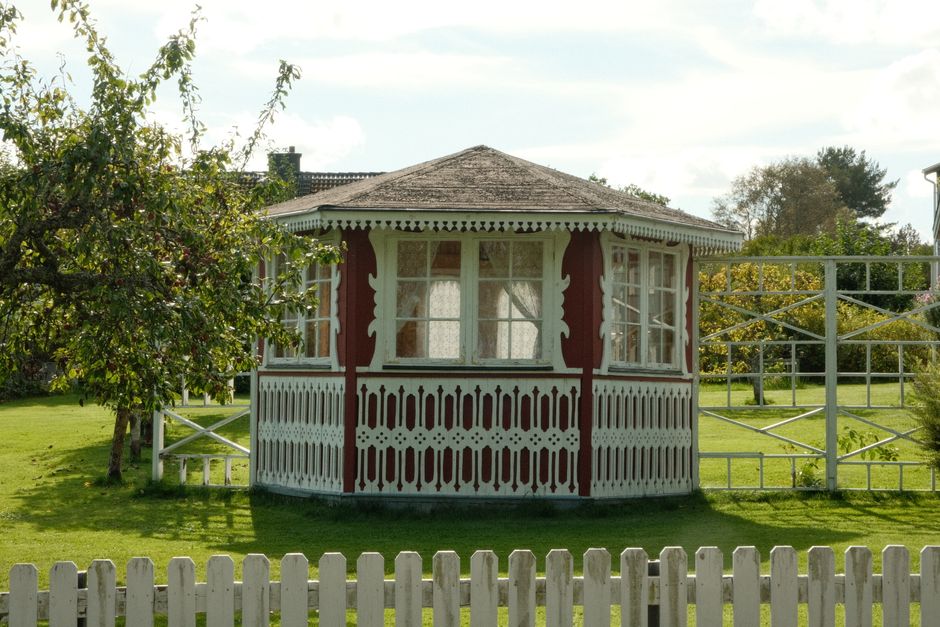
A pop-up gazebo is just the beginning. You can layer in other outdoor elements to make your space even better. Add some patio furniture like a sectional sofa set or garden benches underneath for comfortable seating. Use privacy screen panels around the edges if you want wind protection or privacy from neighbors.
Solar garden lanterns and lighting make your gazebo area functional after dark. A garden fountain or planters add visual interest and make the space feel complete. Check out what's available on our site to see how you can build out your perfect backyard setup.
Price and Value
Pop-up gazebos are one of the most budget-friendly ways to add shade and outdoor living space to your yard. You're not spending thousands on construction or permanent installation. You get quality, functionality, and flexibility for a fraction of the cost.
For current pricing on pop-up gazebos and to see all available models and sizes, visit homepatiopro.com. We focus on offering good quality at affordable prices so you get real value for your money.
Maintenance Tips
Keep your pop-up gazebo in good shape with minimal effort. After each use, wipe down the frame with a dry cloth if you're storing it away. If the canopy gets dirty, use mild soap and water, then let it air dry completely before packing it up.
Check the frame joints and connections every few months to make sure nothing's loose. Store it in a dry place during winter or long off-season periods. That's really all you need to do. These things are built to last with basic care.
Common Questions About Pop Up Gazebos
How long does a pop up gazebo last?
With proper storage and basic maintenance, a quality pop-up gazebo lasts several years. The frame holds up well, and if the canopy starts to wear, many models allow you to replace just the top without buying a new gazebo.
Can I leave my pop up gazebo up all summer?
You can, but it's better to take it down when you're not using it. Constant sun exposure degrades the fabric faster, and leaving it exposed to weather shortens its lifespan. Store it during off-season for best results.
Will a pop up gazebo blow away in the wind?
Not if it's set up properly. Make sure the legs are fully extended and locked. Use anchors or weights if you expect wind. But in serious storms or high winds, you should pack it away for safety.
What's the difference between a pop-up gazebo and a canopy?
These terms are often used interchangeably because they work the same way. Both collapse for storage and set up quickly. The main difference is usually size and style, but the functionality is basically identical.
Ready to upgrade your outdoor space?
Shop Home Patio Pro →