
A garden bench does more than give you a place to sit. It anchors your entire outdoor space, creates a focal point, and tells visitors what your garden is about. Whether you're designing a quiet reading nook or a social gathering spot, the right bench transforms how you experience your backyard.
The good news? You don't need a landscaper or a big budget to get this right. With the right garden bench ideas and quality seating from Home Patio Pro, you can create a cohesive, inviting outdoor living area that reflects your style and fits your garden's layout.
Related: Raised Garden Bed Ideas That Actually Work
Related: Outdoor Lighting Ideas for Small Gardens
Garden Bench Ideas: The Styles That Work
When you're choosing a bench, design matters as much as comfort. Your bench should coordinate with your existing garden layout, foliage, and any other outdoor structures. Here are the most effective styles:
- Rustic X-back designs: These benches have a classic farmhouse look. They work beautifully in cottage gardens or naturalistic landscapes with layered planting.
- Traditional solid wood styles: Teak and hardwood benches bring timeless elegance. They age gracefully and fit both formal and relaxed garden settings.
- Metal benches with decorative details: A metal garden bench with floral backrest adds visual interest and creates a focal point, especially in modern or eclectic gardens.
- Rattan or woven styles: A PE rattan garden bench brings contemporary sophistication and pairs well with minimalist plantings or tropical settings.
- Dual-purpose designs: Some benches integrate planter boxes or storage, combining seating with function. This layered approach creates visual depth in your garden.
The key is matching the bench design to your garden's overall aesthetic. A rustic bench looks out of place in a sleek, modern yard, just as a minimalist metal bench might clash with a cottage garden overflowing with flowering borders.
Color Strategy and Visual Impact
You might not think about bench color as a design tool, but it absolutely is. Bright colored benches, especially reds or jewel tones, create visual punch. This strategy is especially effective in shady garden areas where you need to draw the eye and add energy.
If your garden has dense green foliage, a contrasting bench color breaks up the monotony and becomes a design statement. Neutral colors like gray, black, or natural wood integrate more subtly, letting your plantings steal the show.
Think about your garden's existing color palette before you choose. If you have spring bulbs, flowering shrubs, or seasonal perennials, your bench color should either echo those hues or provide intentional contrast.
Placement and Garden Layout Matters
Where you put your bench is as important as which bench you choose. A well-placed bench frames your garden, creates natural gathering zones, and encourages you to actually use your outdoor space.
Consider these placement strategies:
- Under a shade structure: Position your bench under a 7-foot wooden garden arbor pergola to create a protected, intimate seating area. Climbing vines will grow overhead, creating natural cooling and a sense of enclosure.
- Near a focal point: Place a bench to face a garden feature like a 40-inch cascading waterfall fountain with LED lights. This gives you something beautiful to look at and adds the soothing sound of water to your sitting experience.
- Along a garden pathway: Benches spaced along a walkway invite exploration and create natural rest points as you move through your garden.
- At the garden's edge: A bench positioned at the perimeter of your raised beds or along your garden boundary creates a boundary marker and a natural observation point.
- Near raised garden beds: If you're designing a vegetable or herb garden, a nearby bench lets you sit and enjoy your work or harvest from the comfort of a seat.
The best placement considers your garden's sun and shade patterns. Morning sun lovers might want a south-facing spot, while afternoon shade seekers benefit from placement near trees or under a structure.
Ready to upgrade your outdoor space?
Shop Home Patio Pro →Pairing Benches with Planters and Structures
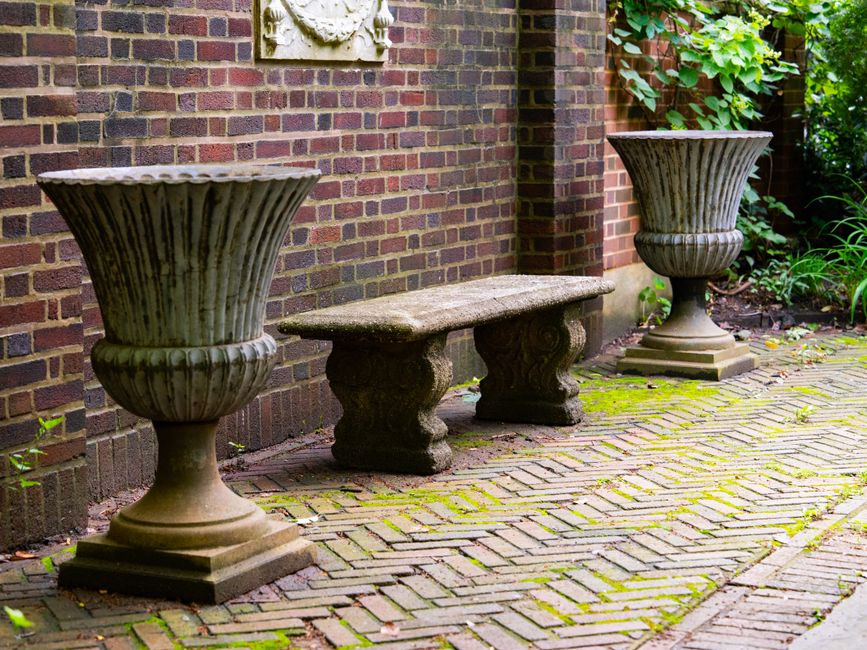
A bench doesn't stand alone. When you combine it with complementary elements, you create a cohesive garden vignette that feels intentional and designed.
Pair your bench with tall outdoor planters on either side to frame the seating area. This creates visual balance and adds planted interest at eye level. Use the planters to feature seasonal flowers, ornamental grasses, or evergreen specimen plants.
If you want to anchor a larger seating zone, consider surrounding your bench with other structures. A metal garden arbor creates a backdrop, while a fir wood garden bridge in the distance creates a sense of journey and discovery.
Layering these elements transforms a simple bench into a complete outdoor room that invites lingering.
Material Durability and Long-Term Value
The material you choose affects how long your bench lasts and how much maintenance it needs. A solid teak garden bench offers excellent longevity and aesthetic appeal over multiple years. Teak naturally weathers to a beautiful silver-gray patina and resists rot without heavy chemical treatments.
Metal benches with powder-coated finishes provide durability and require minimal upkeep. Rattan or synthetic woven styles offer modern aesthetics with weather resistance.
The upfront cost varies, but think in terms of years of enjoyment. A quality bench that lasts 10+ years is a better value than replacing a cheaper option every couple of seasons.
DIY and Budget-Friendly Approaches
If you're handy, simple arbor benches can be built using basic 2x6 lumber without specialty materials or advanced skills. Plans are widely available online, and building your own lets you customize dimensions and stain colors.
Alternatively, you don't need to spend a fortune on a bench to create impact. Affordable, well-made options from quality retailers deliver real value. Look for benches that combine durability with design, rather than chasing the cheapest option.
Multipurpose Function and Design Strategy
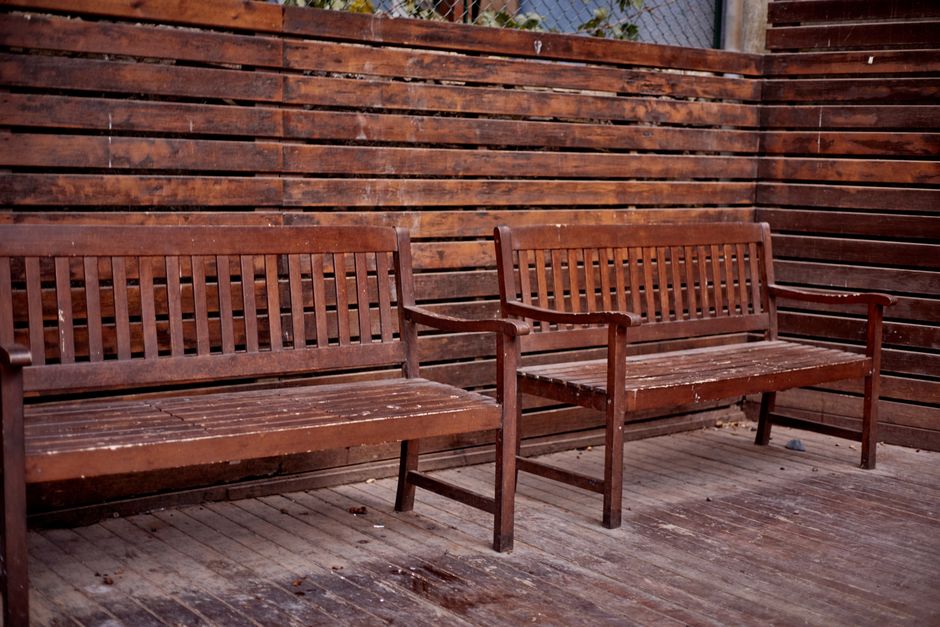
Your bench serves dual purposes: it's functional seating and a decorative garden focal point. This means it needs to look good even when no one's sitting on it.
An outdoor wood rocking bench for two becomes a sculptural element in your landscape. Its curved lines and gentle movement create visual interest and invite relaxation.
When you select a bench with strong design lines or interesting details, it becomes part of your garden's architecture, not just an afterthought.
How do I choose between wood and metal benches?
Wood benches (especially teak or hardwood) offer warmth and integrate naturally into garden settings. Metal benches provide modern aesthetics, durability, and lower maintenance. Choose based on your garden's style, your climate (metal handles extreme weather better), and how much upkeep you're willing to do.
What size bench should I buy?
Consider your space and who will use it. A bench for two people typically measures 4-5 feet long. A wider bench (5-6 feet) accommodates three people comfortably or lets one person lounge. Measure your intended placement to ensure your bench fits without overwhelming the area.
Can I leave my garden bench outside year-round?
Most quality garden benches are designed for outdoor use. However, extreme climates benefit from seasonal covers or storage. Research your specific bench material (teak, metal, rattan) to understand its weather tolerance and recommended care.
How do I incorporate a bench into a small garden?
Even small gardens benefit from seating. Choose a narrow bench (2-3 feet) that doesn't dominate the space. Position it against a wall or fence to minimize footprint. Pair it with climbing vines or wall-mounted planters to maximize vertical interest without taking up ground space.
Ready to upgrade your outdoor space?
Shop Home Patio Pro →