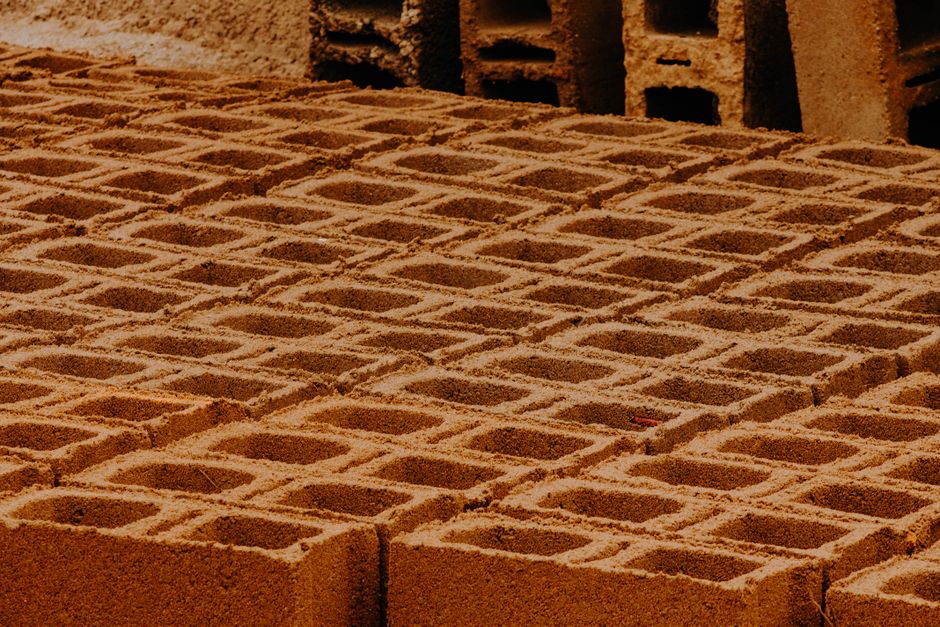
Cinder Block Raised Garden Beds: What You Need to Know
A cinder block raised garden bed is one of the most affordable and straightforward ways to start growing vegetables, herbs, or flowers in your backyard. Unlike pre-built kits, cinder blocks give you flexibility in size and depth, and they require minimal materials to get started. The basic idea is simple: stack concrete blocks into a rectangle, level the ground, fill with quality soil and compost, and plant.
If you're deciding between building a DIY cinder block bed or buying a pre-made alternative, the comparison below will help you weigh your options. We've ranked five approaches based on ease, durability, cost-effectiveness, and long-term maintenance.
| Product / Option | Best For | Rating |
|---|---|---|
| DIY Cinder Block Bed (No Mortar) | Budget gardeners, quick setup | ★★★★★ |
| Cinder Block Bed with Mortar | Long-term durability, permanence | ★★★★☆ |
| Galvanized Steel Raised Bed | Durability, modern look, minimal maintenance | ★★★★★ |
| Wooden Raised Garden Bed | Aesthetics, warmth, tradition | ★★★★☆ |
| Vertical Tiered Garden Bed | Small spaces, accessibility, high yield | ★★★★☆ |
#1: DIY Cinder Block Raised Garden Bed (No Mortar) — Our Pick
If you want maximum flexibility and minimal fuss, building your own cinder block bed without mortar is the clear winner. You only need two materials: concrete blocks and quality soil. Stack them 3-4 blocks high in a rectangle, level the ground first, and you're ready to fill and plant.
Pros:
- Extremely affordable and budget-friendly compared to pre-built alternatives
- Takes just an hour or two to assemble
- No special tools or skills required
- Easy to adjust size or reconfigure if needed
- Blocks can be repurposed or used elsewhere later
- Works well with a minimum bed length of 8 feet for maximum garden efficiency
Cons:
- Blocks may shift slightly over time without mortar, though this rarely causes major issues
- Less polished or permanent appearance than mortared or pre-manufactured options
- Requires manual labor to set up (no delivery/assembly service)
Best soil strategy: Fill your cinder block bed with a quality soil mix, not plain earth. Add a layer of compost on top to boost plant nutrition. If you're working with poor soil, use a single layer of blocks around that area and amend heavily with compost.
For a durable, affordable alternative that pairs well with a DIY cinder block approach, Home Patio Pro offers Galvanized Steel Raised Garden Beds that require no assembly and come ready to use. Many gardeners appreciate having at least one professional-grade option on hand.
Related: Best Metal Raised Garden Beds 2026: Top 5 Ranked
Related: Best 4x6 Raised Garden Beds 2026: Top 5 Ranked
Related: Best DIY Raised Garden Beds Cheap 2026: Top 5 Ranked
Related: Best Budget-Friendly Raised Garden Beds 2026: Top 5 Ranked
Related: Best Vertical Raised Garden Beds 2026: Top 5 Ranked
Related: Best Modular Metal Raised Garden Beds 2026: Top 5 Ranked
#2: Cinder Block Raised Garden Bed with Mortar
If you want your cinder block bed to last decades and handle heavy use, mortaring the blocks together is the upgrade worth considering. This approach adds stability and prevents any shifting, especially in areas with frost heave or high rainfall.
Pros:
- Extremely durable and stable long-term
- Blocks won't shift or separate over seasons
- Professional, finished appearance
- Great for permanent garden installations
Cons:
- Requires mortar, tools, and more time to complete
- You'll need basic masonry skills or be willing to learn
- Significantly higher cost than the no-mortar option
- Much harder to reconfigure or disassemble later
This approach is ideal if you're building a permanent feature that will stay in place for many years. The added durability justifies the extra effort and expense for serious gardeners.
#3: Galvanized Steel Raised Garden Bed

For those who want the benefits of a raised bed without the DIY hassle, a galvanized steel option delivers durability with minimal upkeep. Steel resists rust and weather far better than wood, and it requires zero maintenance.
Pros:
- Fully assembled and ready to fill immediately
- Modern, sleek appearance that complements any yard
- Rust-resistant coating lasts for years
- No wood to rot or mortar to maintain
- Perfectly sized for standard garden layouts
Cons:
- Higher upfront cost than DIY cinder blocks
- Less customizable in size and shape
- Metal can heat up in direct sun during summer
Home Patio Pro's Galvanized Steel Raised Garden Bed offers excellent value for gardeners who want reliability without the construction phase. It's a solid middle ground between budget DIY and premium options.
Ready to upgrade your outdoor space?
Shop Home Patio Pro →#4: Wooden Raised Garden Bed
Wood is the traditional choice for raised beds, and for good reason. It looks beautiful, feels natural, and blends seamlessly into garden designs. However, wood requires more maintenance than cinder blocks or steel.
Pros:
- Attractive, warm appearance
- Fits well with cottage-garden or rustic aesthetics
- Available in various sizes and finishes
- Good insulation for plant roots in cold climates
Cons:
- Wood eventually rots and requires replacement every 5-10 years
- Needs periodic staining or sealing
- Higher cost than cinder blocks
- Susceptible to pest damage (insects, rodents)
Wooden beds are ideal if you prioritize curb appeal and don't mind regular maintenance. For a more permanent garden feature, cinder blocks or steel are better long-term investments.
#5: Vertical Tiered Garden Bed
If you're gardening in a small space or want to maximize vertical growing area, a tiered system offers impressive yield without taking up much ground space. Multi-level beds let you grow more in less room.
Pros:
- Ideal for small patios or balconies
- Easier to access (less bending)
- Grows more plants per square foot
- Looks visually interesting and modern
Cons:
- Each tier needs its own soil and drainage setup
- Top tiers can dry out faster than ground-level beds
- Requires more frequent watering
- Higher upfront investment
3-Tier Vertical Raised Garden Beds are available as a ready-to-use option if you want the space savings without building from scratch. Some even include wheels for mobility.
How to Build a Cinder Block Raised Garden Bed: Quick Steps

If you choose the DIY route, here's what to do:
- Level the ground. Clear the area and make sure it's as level as possible. Use a level tool to check.
- Arrange blocks in a rectangle. Design your bed at least 8 feet long for efficient space use. Decide on height (3-4 blocks stacked is ideal without mortar).
- Fill with quality soil. Don't use plain earth. Use a blend of garden soil and compost for better drainage and nutrition.
- Add compost layer. Top the soil with 2-3 inches of compost to give plants a nutrient boost.
- Water and plant. Water thoroughly, then add your seedlings or seeds.
Some gardeners also experiment with vertical planting by positioning block holes upward and planting directly into them. This works well for herbs or trailing plants, though you'll still need soil and compost inside the holes.
Cinder Blocks vs. Alternatives: The Real Tradeoffs
Cinder blocks work best for gardeners who value budget flexibility and don't mind a more rustic look. If longevity and low maintenance matter more, steel or mortared cinder blocks are better. If aesthetics are top priority, wood is hard to beat despite higher costs.
For a hybrid approach, many gardeners use cinder blocks for vegetable beds and pair them with Home Patio Pro's premium options like steel beds or vertical systems for show-stopping garden features. This gives you both affordability and polish in one backyard.
Maintenance and Longevity
Cinder blocks themselves last indefinitely, but the soil inside needs annual refreshment. Each year, add a fresh layer of compost to replenish nutrients and improve soil structure. If blocks shift, it's usually a minor issue—just push them back in place.
Mortared blocks may crack in very cold climates if water freezes inside, so use mortar mainly in moderate climates or protect the bed during harsh winters. Non-mortared blocks are more forgiving in freeze-thaw cycles.
Final Recommendation
For most home gardeners, a basic DIY cinder block bed with no mortar remains the best choice. It's affordable, quick to build, and lets you start growing immediately. If you want durability without any assembly, Home Patio Pro's galvanized steel and wooden options provide excellent shortcuts.
Whatever you choose, prioritize filling your bed with quality soil and compost. That's where the real return on investment happens—good soil grows better plants every single time.
How many cinder blocks do I need for a standard raised garden bed?
For a bed 8 feet long and 4 feet wide stacked 3 blocks high, you'll need approximately 18-20 blocks, depending on how you overlap them at the corners. Measure your desired dimensions and divide by the block length (typically 16 inches) to calculate exactly.
Can I plant directly into cinder block holes?
Yes, you can. Some gardeners position blocks with holes facing up and fill them with soil for planting herbs or small plants. This works best for shallow-rooted plants. For deeper crops like tomatoes or carrots, it's better to fill the entire bed with soil as usual.
Do cinder blocks leach chemicals into soil?
Cinder blocks are made from fly ash and cement, and they don't leach harmful chemicals into soil over time. They're a safe, inert material. For added peace of mind, you can line the interior with landscape fabric before filling with soil, though this step is optional.
What's the best soil for a cinder block raised bed?
Use a blend of garden soil (about 60%), compost (30%), and peat moss or coconut coir (10%). This mix provides good drainage, nutrition, and water retention. Avoid using only plain earth, which compacts and drains poorly. Add a fresh compost layer every spring to keep your soil rich.
Ready to upgrade your outdoor space?
Shop Home Patio Pro →