
A shed base is the foundation that keeps your storage structure stable, level, and protected from moisture damage. Whether you're setting up a small garden shed or a larger storage unit, the base you choose matters more than you might think. A poor foundation can lead to shifting, warping, water damage, and structural problems down the road. The good news is that you have several solid options to choose from, depending on your shed size, budget, and how permanent you want the installation to be.
Why Your Shed Needs a Proper Base
Putting a shed directly on bare ground is a recipe for trouble. Without a proper shed base, moisture seeps up into the floor, wood rots, metal corrodes, and your shed starts to sink or tilt. A solid foundation prevents all of that.
When you build a proper shed base, you're doing three main things: providing level support so your shed sits even, creating a barrier between the ground and your structure, and ensuring water drains away instead of pooling underneath. This keeps your storage dry, your shed structurally sound, and your belongings safe from dampness.
Related: DIY Shed Plans: Build Your Own Storage Shed Step-by-Step
Concrete Pads for Shed Bases
Concrete is the strongest and most permanent option for a shed base. If you have a larger shed or plan to keep it in one spot for years, concrete is worth the effort.
For small to medium sheds, a standard concrete pad should be at least 4 inches thick and reinforced. Make the pad about 6 inches larger on all sides than your shed's footprint. This overhang prevents water from running off the edge straight onto your shed's exterior.
Pour the concrete on level ground and check that it's completely flat before it sets. Once it's cured, you can bolt your shed to the pad for extra security. This approach works especially well if you plan to store heavy equipment or tools in your shed.
Concrete takes a few days to cure fully, but once it does, you've got a foundation that'll outlast the shed itself. If you're looking to add a storage shed to your outdoor space, Home Patio Pro offers a 10x12 Metal Garden Storage Shed that pairs well with a solid concrete foundation.
Related: Metal Raised Garden Bed DIY: Build Your Own in 4-8 Hours
Paving Slabs as a Shed Base
Paving slabs are a practical middle ground between concrete and simpler options. They're easier to install than pouring concrete but more permanent than gravel.
Related: Big Shed Guide: Size, Storage & Best Options
Lay paving slabs on a bed of sand or gravel. Make sure each slab is level and sits firmly. You'll want to cover the entire footprint of your shed with slabs, plus a border around the edges. This keeps your shed off damp ground and lets water drain underneath instead of pooling.
The advantage of paving slabs is that they're straightforward to install yourself and you can remove or adjust them later if needed. They work well for most domestic garden sheds of light to medium weight. If water pools between slabs, add a bit more gravel underneath to improve drainage.
Plastic Grid Foundation System
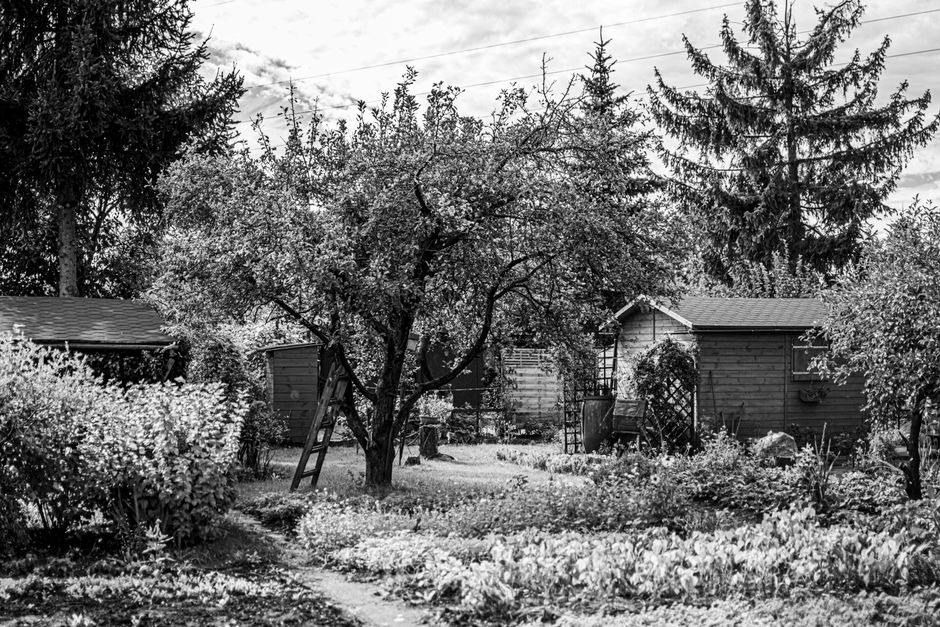
If you want something quick and durable, a plastic grid system is an excellent choice for lightweight garden sheds. These interlocking plastic grids are surprisingly tough and much faster to set up than pouring concrete or laying slabs.
Lay landscape fabric on the ground first to block weeds. Then snap the plastic grid pieces together over top. The grid distributes your shed's weight and creates air space underneath for water drainage. It's modular, so you can adjust the size to fit your shed exactly.
Plastic grids are especially popular for smaller sheds because they're affordable, easy to assemble, and do a solid job of keeping moisture at bay. They're also forgiving if your ground isn't perfectly level to start with.
Ready to upgrade your outdoor space?
Shop Home Patio Pro →Gravel Base for Your Shed
A properly built gravel base can work if you're on a tight budget or want the easiest installation. The key is doing it right so your shed stays level and dry.
Dig out the area where your shed will go and remove any vegetation. Lay landscape fabric over the bare ground to prevent weeds from growing through. Then spread a 4-6 inch layer of gravel on top of the fabric. Compact the gravel firmly and check that it's level. Add more gravel as needed to get a flat, stable surface.
The benefit of gravel is that water drains through it naturally, keeping your shed dry underneath. The downside is that gravel can shift over time, so you may need to top it up or re-level it occasionally. This option works best for smaller sheds that you don't mind maintaining.
Landscape Fabric: A Layer Everyone Should Use
No matter which shed base material you choose, add landscape fabric underneath. It's one of the cheapest and most effective ways to prevent weeds from growing up through your base and causing problems.
Landscape fabric blocks sunlight from reaching weed seeds while letting water drain through. Install it directly on the bare ground, then place your concrete, slabs, gravel, or plastic grid on top. This simple step extends the life of your shed base and keeps your foundation cleaner.
Leveling: The Most Important Step
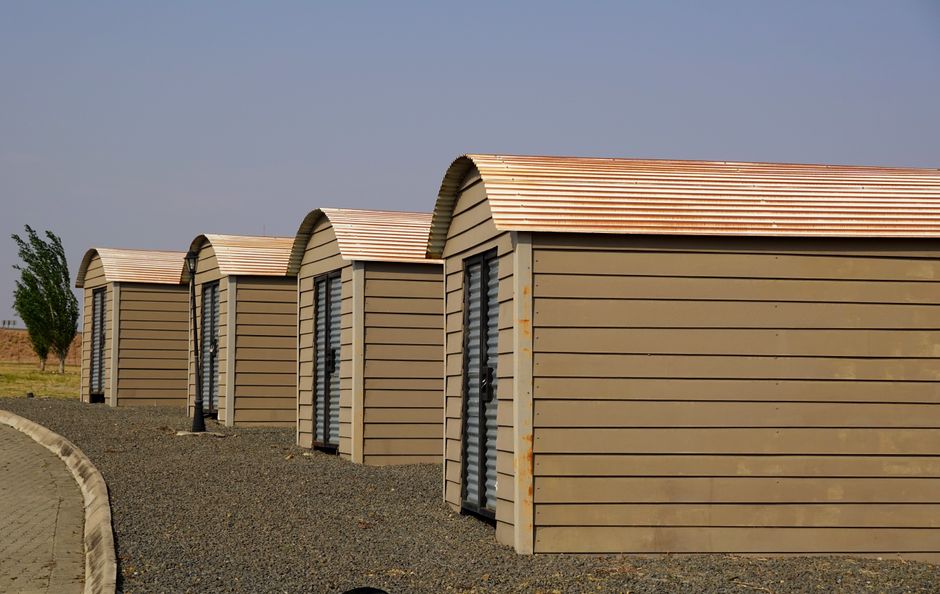
Whatever base you build, leveling is critical. A tilted shed doesn't sit right, doors stick, and water pools in certain spots. Use a long straight edge and a level to check your base as you build it.
If your ground slopes, you may need to remove soil from the high side and add it to the low side. Take your time with this step. A level base now saves you headaches and repairs later.
Keeping Moisture Out
Moisture is your shed's biggest enemy. It creeps up from the ground, causes wood to rot, and helps metal rust. Your shed base should act as a moisture barrier.
Concrete and paving slabs do this naturally. Gravel and plastic grids do it by creating drainage space underneath. The addition of landscape fabric prevents water from pooling and weeds from pushing up. All of these strategies work together to keep your shed dry from the ground up.
Choosing Your Shed Base: Quick Comparison
For a heavy, long-term shed, concrete is your best bet. For most domestic garden sheds, paving slabs or a plastic grid system balance cost, durability, and ease of installation. Gravel is budget-friendly but requires occasional maintenance. All of these options work when done properly.
Think about your shed's weight, how long you plan to keep it, your budget, and how much maintenance you're willing to do. Then pick the base that fits your situation. When you're ready to add a storage shed to your yard, check out what Home Patio Pro has available to find the perfect fit for your outdoor space.
FAQs About Shed Bases
Can I build a shed base on uneven ground?
Not without leveling first. Uneven ground causes your shed to tilt, which creates leaks, sticking doors, and structural stress. Spend time leveling your site before you build your base. Remove soil from high spots and fill in low spots, then compact the ground firmly. It's extra work upfront, but it prevents bigger problems later.
How deep should a shed base be?
For concrete, 4 inches thick is standard for small to medium sheds. For gravel, 4-6 inches compacted gives you a solid, well-draining base. Paving slabs sit on top of 2-3 inches of sand or gravel. Plastic grids go directly on landscape fabric with no digging required. The goal is a stable, level surface that lets water drain away.
Do I need to bolt my shed to the base?
It depends on your location and shed type. If you live in an area with high winds or heavy snow, bolting your shed to a concrete base adds safety and stability. For lighter sheds on gravel or slabs in calm areas, bolting may not be necessary. Check local building codes or ask a local contractor about requirements in your area.
How long does a shed base last?
A concrete base lasts 20-30 years or more. Paving slabs last 15-20 years if installed well. A plastic grid system lasts 10-15 years. Gravel needs topping up every few years but can last indefinitely with maintenance. Proper installation and landscape fabric underneath extend the life of any base. Regular drainage maintenance keeps any base working longer.
Ready to upgrade your outdoor space?
Shop Home Patio Pro →