
Metal garden trellises are one of the smartest moves you can make in your garden. They take up almost no ground space, but they give you room to grow way more plants. Whether you're training tomatoes upward, creating privacy, or just adding visual interest to a blank wall, a metal trellis does the heavy lifting for you.
Let's walk through some practical metal garden trellis ideas that actually work in real yards. You don't need a sprawling estate to make these work either. Most of them scale down nicely for small patios, balconies, or even container gardens.
1. Create a Living Wall of Climbing Vegetables
This is the workhorse use for metal trellises. Tomatoes, cucumbers, beans, and peas all thrive when they have something sturdy to climb on. You get better airflow around the plants, which means fewer diseases. The fruit stays off the ground, so it doesn't rot or get nibbled by slugs.
Stack two or three Metal Garden Trellis 4-Pack panels side by side and you've got an instant vegetable garden that takes up the footprint of a couple of raised beds but produces way more. Just tie the plants loosely to the metal as they grow.
2. Screen Out Ugly Views or Create Privacy
Have an unsightly fence, AC unit, or neighbor's shed ruining your vibe? Plant fast-growing climbing vines like clematis or honeysuckle at the base of a metal trellis and let them do the work. Within one or two seasons, you've got a living privacy screen that looks a million times better than staring at whatever was behind it.
This works especially well if you pair a trellis with Outdoor Privacy Screen Panels for immediate coverage while your plants fill in.
3. Build a Shaded Seating Nook
Metal trellises aren't just for vegetables. Lean a couple against each other to form an A-frame, or attach them to posts to create a pergola-style structure. Train fast-growing vines over the top, and boom: you've got natural shade over a bench or seating area.
This is perfect if you want to sit outside on hot afternoons without the harsh sun beating down. The metal stays cool to the touch, and the plants above filter the light into dappled shade. Add an Outdoor Wood Rocking Bench for Two underneath and you've created a whole retreat.
4. Add Vertical Interest to a Blank Wall or Fence
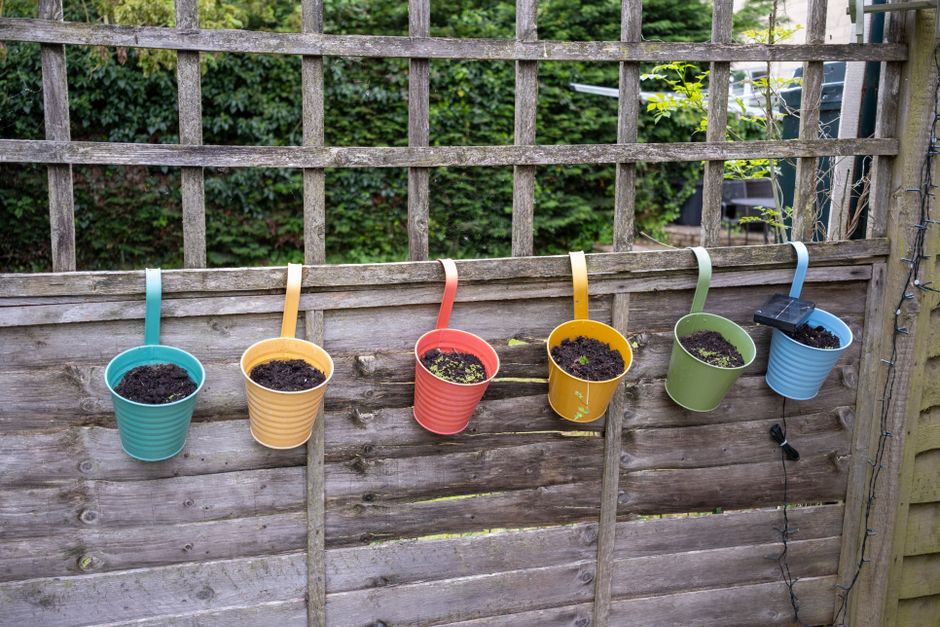
A plain wooden fence or house wall is boring. Mount a metal trellis flat against it, add some ivy or climbing roses, and suddenly you've got texture and dimension. The metal catches the light, and the plants fill in over time.
You don't even need to grow food on it. Purely ornamental vines work just as well. This is one of the easiest ways to transform a dead space without spending a fortune on expensive hardscaping or painting projects.
5. Define Garden Zones and Pathways
Use metal trellises to mark where one area of your garden ends and another begins. Line a pathway with trellises on both sides, or use them to frame an entrance to a specific garden bed. This creates visual flow and makes your garden feel intentional and designed, not haphazard.
When vines grow through them, they become even more dramatic. Visitors naturally follow the path, and your garden suddenly feels bigger and more organized.
6. Support Flowering Vines for Seasonal Color
Not everything on a trellis has to be edible. Clematis, jasmine, morning glories, and climbing hydrangeas all produce stunning flowers. By training them up a metal trellis, you get color at eye level instead of buried in foliage down at ground level.
Metal trellises work beautifully as part of a larger garden design. Combine them with Tall Outdoor Planters 3-Pack at the base to add weight and visual balance to your layout.
7. Build a Vertical Herb or Flower Garden
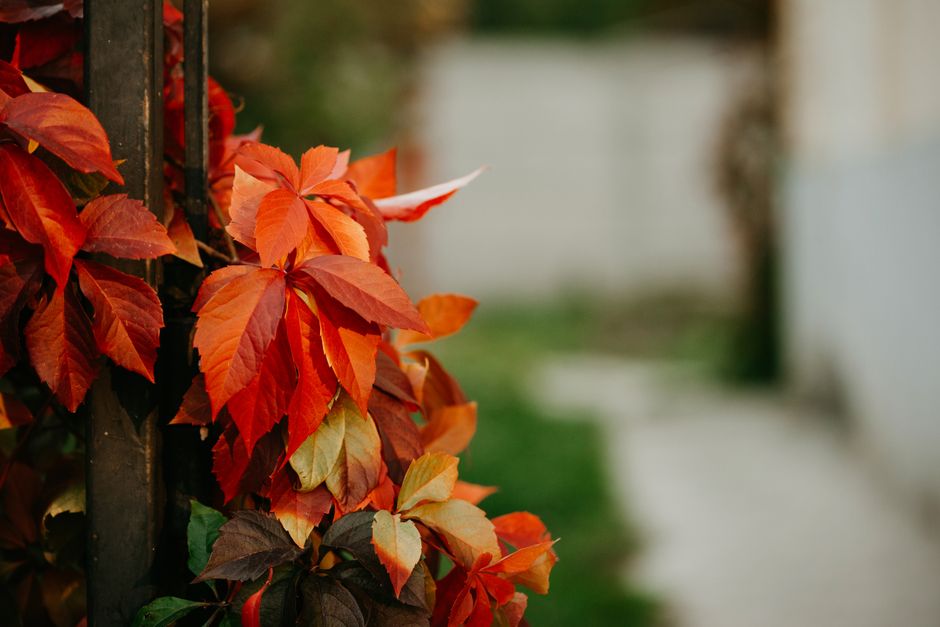
Smaller trellises work great for herbs like pole beans, indeterminate basil, or ornamental trailing plants. Mount one on a patio wall or fence in a sunny spot, and you've got fresh herbs at arm's reach while you're cooking outside.
If you want even more vertical growing power, check out what Home Patio Pro has to offer in terms of raised beds and growing structures to complement your trellis setup.
Ready to upgrade your outdoor space?
Shop Home Patio Pro →Design Tips to Keep in Mind
Metal trellises come in different heights and widths. Tall ones (6-8 feet) work best for vigorous climbers or creating shade. Shorter ones (3-4 feet) fit nicely on patios or in smaller spaces. Consider the mature size of whatever you're growing before you pick a trellis size.
Rust-resistant or powder-coated metal holds up better in wet climates. Check the material when you're shopping. You want something that'll last years, not fall apart after one season of rain.
Think about sun exposure too. Most climbing vegetables and flowering vines need at least 6-8 hours of direct sun. If your spot is shadier, choose shade-tolerant vines like clematis varieties or ivy.
Making It Work in Small Spaces
Limited on square footage? Metal trellises are your secret weapon. They triple your growing capacity in the same footprint. A 2x2 foot area of ground space with a trellis can produce as much as a 4x4 foot in-ground garden bed.
Stack your trellises vertically, angle them to catch more light, or arrange them in creative patterns. The metal is lightweight enough to move around if you want to experiment with placement before committing to a permanent spot.
Combining Trellises With Other Garden Features
Metal trellises pair well with almost anything. Add them near a Galvanized Steel Raised Garden Bed to maximize production in a small footprint. Use them to frame a garden seating area or create an entrance to a potting zone where your Garden Potting Bench with Hidden Sink lives.
The versatility is what makes metal trellises so valuable. They're functional, attractive, and affordable. Whether you're growing food, flowers, or just trying to hide an eyesore, a metal trellis earns its place in your outdoor space.
Getting Started With Metal Trellises
Start small if you're new to this. Pick one trellis, one location, and one type of plant. See how it does for a season. Once you understand how plants behave on a trellis in your specific garden, you can expand and get more creative.
Metal trellises aren't complicated or expensive. They're one of the best returns on investment you'll get in gardening. A single trellis can transform a corner of your yard, increase your harvest, or create a whole new aesthetic for your outdoor space.
What size metal trellis do I need?
Most home gardens do well with trellises between 4 and 8 feet tall. For vegetables like tomatoes or cucumbers, aim for at least 5-6 feet. Shorter trellises work fine for beans, peas, or ornamental vines. Consider the mature height of your plant and give it a little extra room to spread.
Can I leave a metal trellis up year-round?
Yes. Metal is durable and weather-resistant, especially if it's powder-coated or rust-resistant. You can leave it standing empty during winter or let evergreen vines grow on it for year-round interest. Just make sure it's anchored well so wind doesn't knock it over.
What's the easiest way to train plants onto a metal trellis?
Use soft ties, strips of cloth, or plant clips. Avoid wire or anything tight that can cut into stems. As plants grow, gently guide new shoots toward the trellis and secure them loosely. Most plants will naturally seek out the support and climb on their own after the first few weeks.
Do I need to fertilize plants growing on a trellis differently?
Not really. Trellised plants may need slightly more frequent watering since they're more exposed to sun and wind, but feeding stays the same. A balanced fertilizer every few weeks during the growing season keeps them happy. Check soil moisture more often since vertical growth dries out faster than ground-level plants.
Ready to upgrade your outdoor space?
Shop Home Patio Pro →