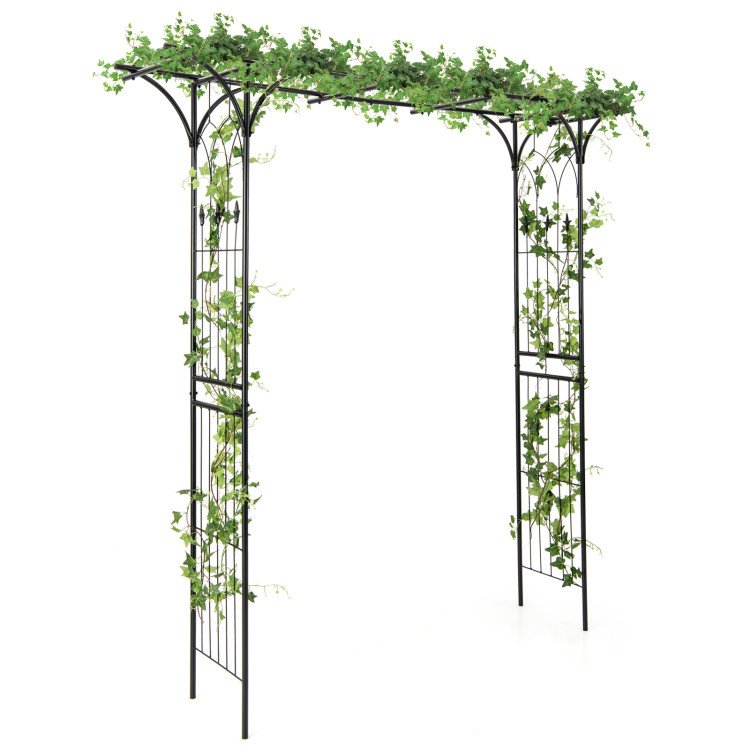
Turn Your Garden Vertical With a Garden Arch for Climbing Plants
If you've got climbing plants taking over your garden beds and you're running out of horizontal space, a garden arch for climbing plants is your answer. Seriously. One of the smartest moves you can make is to go vertical, and an arch gives your vines, flowers, and even veggies the structure they need to climb without taking up your whole patio.
Here's the thing: a good garden arch does double duty. It adds instant visual interest to your yard while giving your plants somewhere to go. Let me walk you through everything you need to know to pick the right one and make it work for your space.
Why a Garden Arch Works So Well
Before we get into the specifics, let's talk about why arches are such a game changer. They create a focal point in your garden. Your eye naturally draws to them, especially when they're covered in blooming flowers or green vines.
They also maximize your growing space without eating up real estate. If you're working with a small backyard or patio, vertical growing is your best friend. Instead of sprawling plants across multiple beds, you stack them up the arch.
Plus, there's something deeply satisfying about walking under an arch covered in climbing plants. It's like creating your own little garden tunnel or gateway.
What Material Should You Choose?
You've got three main options when it comes to garden arch materials: metal, vinyl, and wood. Each one has its pros and cons, so let's break it down.
Metal Arches
Metal is probably the most popular choice, and for good reason. Iron or steel arches are durable, they last for years, and they look sharp. They handle heavy climbing plants without bending or sagging.
The downside? Metal can rust if you don't maintain it or if you live in a wet climate. That said, many metal arches come treated to resist rust, which helps a lot.
Home Patio Pro carries an 81-Inch Metal Garden Arbor that's built to handle serious plant weight. It's also a solid choice if you want something that'll stand up to the elements without requiring constant upkeep.
Wooden Arches
Wood looks beautiful and blends naturally into garden settings. It gives off a classic, timeless vibe that a lot of people love. The natural appearance is hard to beat.
The catch is maintenance. Wood needs regular treatment to resist rot and weather damage, especially if you live somewhere with heavy rain or humidity. You'll be resealing or staining it every couple of years.
If you like the wooden look and don't mind the upkeep, Home Patio Pro's 7-Foot Wooden Garden Arbor Pergola is a solid option. It's sturdy and looks great the day it arrives.
Vinyl Arches
Vinyl is the low-maintenance option. It doesn't rust, rot, or need sealing. Just hose it off once in a while and you're good.
The trade off is aesthetics. Vinyl doesn't have quite the same visual warmth as wood or metal. Some people think it looks a bit plastic-y, though designs have gotten better over the years.
Size Matters: Getting Your Dimensions Right
Most garden arches range from 81 to 85 inches tall. That's roughly 7 feet, which gives climbing plants plenty of vertical space to work with without being so tall that it looks weird in a residential yard.
Height is important because shorter arches limit your plant growth. You want enough clearance that you can actually walk under it without ducking, and that the plants have room to spread and climb naturally.
Think about the width too. A narrower arch works for single vines or lighter plants. A wider one can handle multiple plants or heavier growth without looking overcrowded.
Best Plants for Your Garden Arch

Now for the fun part: what actually grows well on these things?
Ornamental Favorites
Clematis is the all-star of climbing plants. It covers arches beautifully, produces gorgeous flowers, and climbs like crazy once it gets established. Roses are another classic choice. They look stunning draped over an arch and smell amazing.
Other solid options include jasmine, honeysuckle, and ivy. These grow reliably and fill in the arch without a ton of fussing.
Edible Climbing Plants
If you want your arch to be productive, try cucumbers or tomatoes. Yes, tomatoes can climb. You'll get fresh veggies while creating a functional and beautiful structure.
Pole beans are another option. They're easy to grow, productive, and they fill in an arch quickly.
Installation Tips That Actually Work
Installation doesn't need to be complicated. First, choose a location that gets enough sunlight for your plants. Most climbing plants want at least 6 hours of sun daily.
Make sure the ground is level. An arch that tilts looks off and won't support plants evenly as they grow.
Secure it firmly. You want the base deep in the ground or anchored so it won't tip when plants get heavy and wind picks up. Don't skip this step.
Give yourself space to work. You'll need room to plant seedlings at the base and guide vines up the arch as they grow.
Training Your Plants to Climb
Just because you put a plant next to an arch doesn't mean it'll automatically climb. You need to train it.
Gently tie young vines to the arch with soft string or plant ties. This guides them upward. As they get established, they'll naturally grab onto the structure with tendrils or twining growth.
Check regularly and adjust ties as the plant grows. You don't want them getting too tight and cutting off the stem.
Be patient. It takes time for plants to cover an arch fully. By the second season, you'll usually see a dramatic difference in coverage.
Creating the Perfect Patio Setting
A garden arch doesn't exist in a vacuum. It works best as part of a larger outdoor space. Consider pairing your arch with comfortable patio furniture underneath or nearby.
A simple bench positioned near the arch gives you a place to sit and enjoy your work. Or add a shade structure like a gazebo nearby for hot days.
Home Patio Pro carries all the pieces you need to build a cohesive outdoor living area. From benches to umbrellas to gazebos, you can create a complete garden retreat around your climbing arch.
Ready to upgrade your outdoor space?
Shop Home Patio Pro →Budget Considerations
The good news is that a quality garden arch doesn't have to break the bank. You can get a solid metal or wooden arch at a budget-friendly price point.
If you're into DIY, metal cattle panels offer a super affordable option if you want to build your own arch structure. But if you'd rather skip the building part, pre-made arches from Home Patio Pro come ready to install.
Check the product pages on homepatiopro.com for current pricing and to see all available designs. You'll find options that fit your budget and style.
Maintenance and Care
After you've installed your arch and got plants climbing it, maintenance is pretty minimal. Mainly you're managing the plants, not the structure.
Prune climbing plants as needed to keep them from getting too wild. Most plants benefit from a trim in early spring to encourage new growth.
For metal arches, check for rust spots and touch them up if needed. For wooden ones, reapply sealant every couple of years. Vinyl doesn't need much beyond occasional cleaning.
Common Mistakes to Avoid
Don't choose a plant without checking its mature size. A small seedling can turn into a monster vine that overwhelms an arch. Know what you're planting.
Don't skip the installation prep. A wobbly arch is an accident waiting to happen and won't support plants well anyway.
Don't overcrowd. You might think more plants equals more coverage, but overcrowding actually reduces airflow and creates disease problems. One or two strong plants per arch is usually enough.
Don't forget to water. New plants on an arch dry out faster because they're elevated and exposed. Water consistently, especially the first season.
Bringing It All Together
A garden arch for climbing plants is one of those projects that pays dividends year after year. You get immediate visual impact, you free up ground space, and you end up with one of the most beautiful features in your yard.
Whether you go with metal, wood, or vinyl, the key is choosing quality and placing it in a spot where it'll really shine. Pair it with the right plants and maybe some nearby patio furniture, and you've created something special.
Ready to make it happen? Head over to homepatiopro.com and browse the garden arch options. Find one that matches your style and your space, then start planning which climbing plants you'll use. You've got this.
FAQs About Garden Arches for Climbing Plants
How long does it take for climbing plants to cover a garden arch?
Most vigorous climbing plants like clematis or honeysuckle will show decent coverage by the end of their first season, especially if you get them established quickly. Full, lush coverage usually takes into the second year. Be patient and keep tying vines to the arch as they grow.
Can you use a garden arch with heavy plants like mature grapevines?
Yes, but you need a sturdy metal arch, because heavier plants need stronger support. Wood can work too if it's thick and well maintained, but metal handles serious weight better without flexing or breaking.
What's the best way to winterize a garden arch?
For most climbing plants, you don't need to do much. Cut back dead growth in early spring. If you're in a harsh climate, you might wrap the arch loosely with burlap to protect it from heavy snow loads. Mostly, the arch and plants handle winter fine on their own if you've installed properly.
Can you move a garden arch once it's installed?
Technically yes, but it's a pain. You'd need to dig it up, which damages the area around it, and your climbing plants probably won't survive the move well. It's better to choose your location carefully before installing.
Ready to upgrade your outdoor space?
Shop Home Patio Pro →