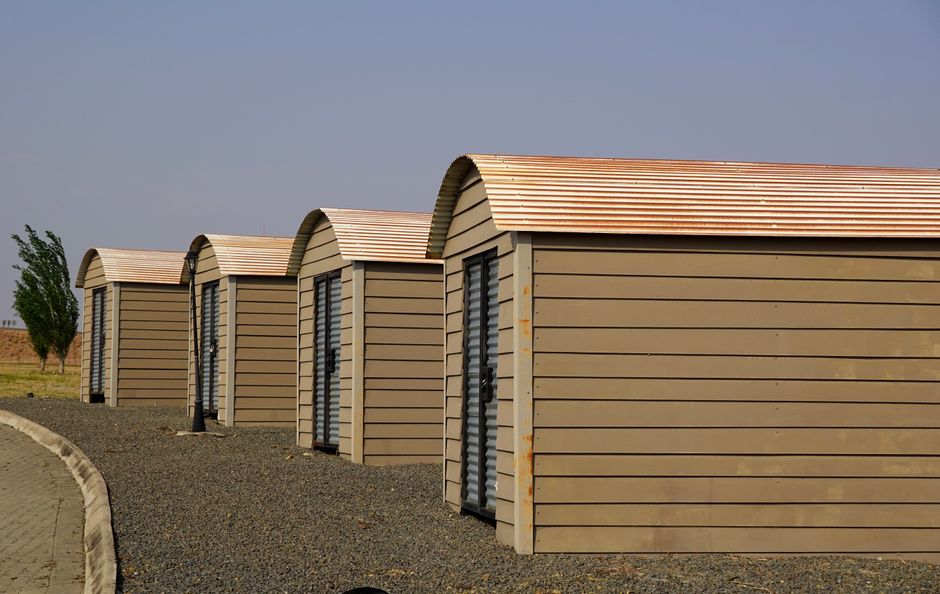
If you're running out of room for garden tools, seasonal gear, and outdoor equipment, a metal storage shed is the practical solution you've been looking for. Unlike flimsy plastic bins or weathered wooden structures, a metal storage shed gives you secure, weather-resistant space that actually lasts. The durability, straightforward setup, and affordable price point make it one of the smartest investments for any backyard.
Whether you need to stash a lawn mower, store winter decorations, or keep your potting bench tools organized year-round, the right metal shed transforms how you use your outdoor space. Let's walk through what makes a metal storage shed work, how to prepare your yard, and why getting it installed correctly matters.
Why Metal Storage Sheds Outperform Other Options
Metal construction means your shed won't rot, warp, or attract pests the way wood does. Steel-built sheds resist rust and hold up to rain, snow, and intense sun exposure without deteriorating. You'll spend less time maintaining it and more time actually using your backyard.
The material also gives you serious security. Metal walls are harder to break into than plastic or thin wood, so your equipment and valuables stay protected. And unlike vinyl or resin sheds that can crack or discolor in UV light, metal keeps its integrity season after season.
Setup is straightforward too. Most metal storage sheds arrive as do-it-yourself kits that you assemble on-site. If you're comfortable with basic tools and a few hours of work, you can have your shed standing and functional without hiring contractors. Home Patio Pro offers quality metal storage sheds designed for homeowners who want durability without the hassle.
Measure Your Space and Pick the Right Size
Before you buy, honest assessment of what you're storing matters. A metal storage shed comes in various sizes, from compact footprint models perfect for tight yards to larger premium sizes that give you room to move around inside and organize effectively.
Think about what goes in there. Are you storing just hand tools and a few bags of mulch, or do you need space for a riding mower, leaf blower, and seasonal holiday decorations? Measure the area where you want to place the shed and compare it to the shed's footprint. You'll want a little breathing room on all sides for ventilation and to avoid trapping moisture.
Don't just estimate. Get your tape measure out, jot down the dimensions, and make sure the shed fits comfortably without crowding your patio, garden beds, or pathways. A shed that's too small becomes cramped fast, and one that's oversized can swallow your entire yard.
Prepare Your Yard Foundation Before Installation
This step is critical and often overlooked. A proper foundation prevents water damage, uneven settling, and structural stress on your metal shed. Your foundation doesn't need to be elaborate, but it does need to be solid and level.
Start by clearing the area where your shed will go. Remove grass, rocks, debris, and anything that sticks up. You want a completely flat surface. If your ground is naturally uneven, level it out with a shovel or rent a small roller from a local tool rental place.
Pour a foundation of concrete pads, gravel, or concrete slabs. Many people use four concrete footers placed under the shed's corner posts. This lifts the metal structure slightly off the ground, allowing air to circulate underneath and preventing moisture from pooling underneath your shed. It also stops the floor from rotting if you have a metal base and helps the shed last longer.
If you live in an area with frost heave (where the ground freezes and shifts in winter), go a step further and set those footers below the frost line. Check with your local building department or a neighbor to find out how deep that is in your area. Taking time on the foundation now saves you from a leaning, damaged shed in a few years.
Gather Tools and Materials for Assembly
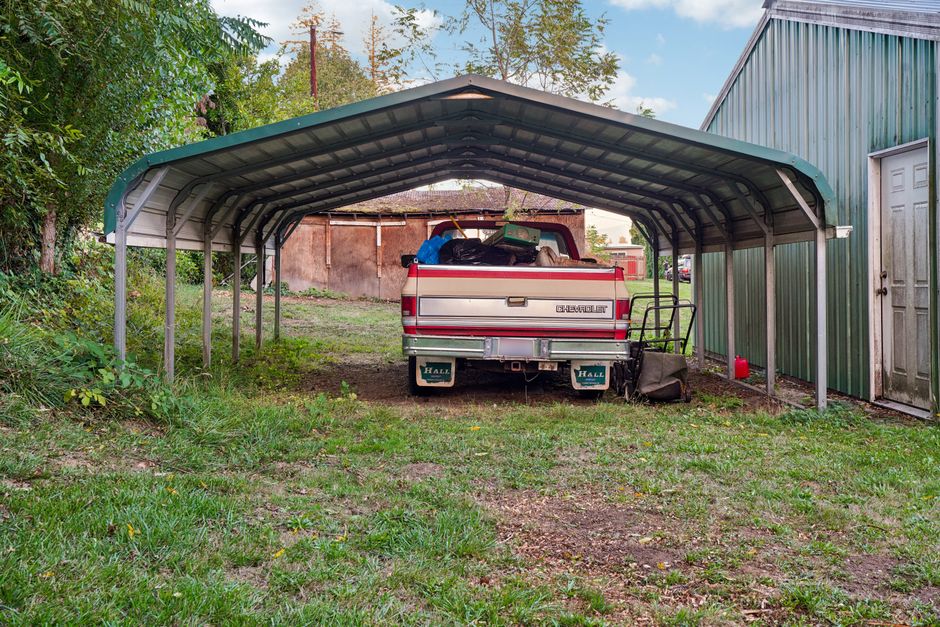
Your metal storage shed kit will include most of what you need, but you'll want to have a few things on hand before you start. A power drill makes driving screws and fasteners much faster than doing it by hand. A wrench set helps you tighten bolts securely. A level is absolutely essential for making sure the shed sits straight and square, which keeps the doors aligned and the structure stable.
Read through the assembly instructions completely before you open any boxes. This gives you a mental picture of the process and helps you spot any missing hardware or damaged parts before you're halfway through. Many sheds require a second person to hold panels in place while you fasten them, so bring a friend or family member into the project.
Take your time during assembly. Rushing through fastening bolts or skipping washers means loose panels, creaky walls, and a shed that won't weather storms as well. Tight, even fastening keeps your metal storage shed rigid and weatherproof.
Ready to upgrade your outdoor space?
Shop Home Patio Pro →Secure Your Shed Properly to Weather Storms
Once your metal storage shed is assembled and sitting on its foundation, anchoring it down is the final step that protects it in high winds. Most sheds come with anchor brackets or straps that bolt the frame to concrete footers or ground anchors.
In areas prone to wind, this isn't optional. Even a moderately strong gust can lift an unanchored shed, especially if it's tall and has a peaked roof. Use all the anchor points provided. If you live in a windy region or near the coast, consider adding extra anchors beyond what the kit includes.
A properly anchored metal storage shed will stand solid for decades. Without anchors, you're taking an unnecessary risk. This is where the do-it-yourself approach actually empowers you: you're in control of how securely everything fastens down.
Interior Organization Starts With Your Layout
Once your shed is up and dry, think about how you'll use the interior space. Metal walls give you flexibility for adding shelves, hooks, and pegboards. A 10x12 metal garden storage shed offers enough height and floor space to create zones for different items.
Hang frequently used tools on wall-mounted pegboards or hooks so they're visible and accessible. Store heavier items like bags of soil or mulch on the floor along the back wall. Keep seasonal items (holiday decorations, winter gear) in labeled bins on shelves above eye level. This keeps them out of the way but still findable when you need them.
Good ventilation matters too. Prop the door open on dry days to let air circulate and prevent mustiness. Some people add vents near the roof line (check your kit's options) to promote airflow without letting rain in.
Maintain Your Metal Shed for Long-Term Performance
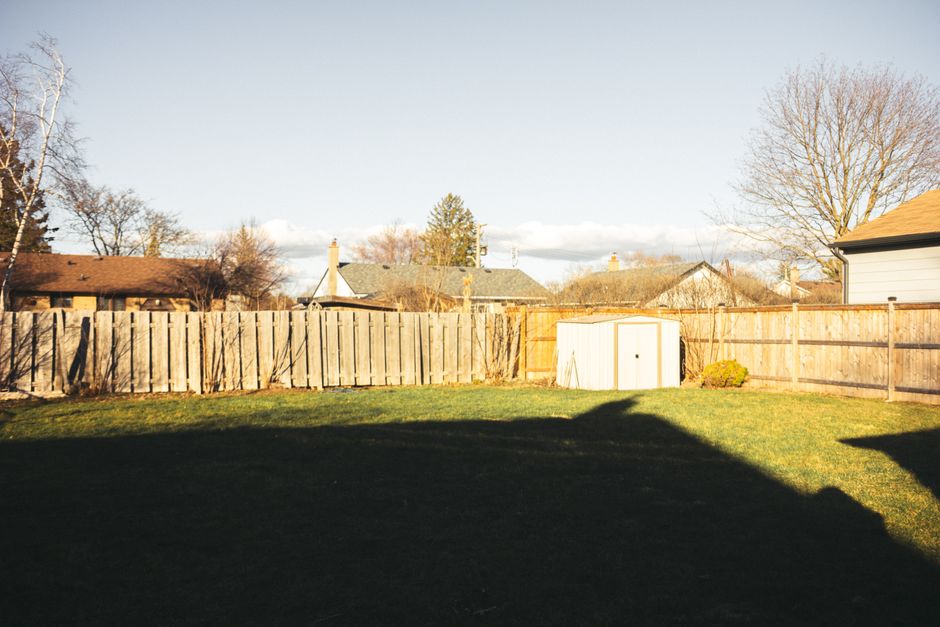
Metal storage sheds require minimal upkeep compared to wood, but a little seasonal care keeps them looking good and working smoothly. Once or twice a year, clear debris from the roof and gutters. If any fasteners have loosened, tighten them with your wrench. Inspect door hinges and lubricate them with a light oil if they're squeaky.
If you notice any minor rust spots (especially if you live in a humid or coastal climate), sand them down and touch them up with rust-resistant paint. Catching small issues early prevents larger problems down the line.
Most metal sheds are treated to resist rust, but they'll perform better if you don't leave them sitting in a puddle or pressed against wet soil. Keep the area around your shed clear so water drains away naturally.
Where to Find Quality Metal Sheds Ready to Ship
You want a metal storage shed that actually arrives complete, with no missing parts or damage. Home Patio Pro stocks durable metal sheds designed for homeowners like you who need reliable backyard storage without paying commercial prices. Every shed is inspected for quality before it ships, and the assembly process is straightforward enough for a weekend project.
Visit Home Patio Pro to compare available sizes, finishes, and styles. Check the product details for dimensions, materials, and what's included in each kit. You'll find the current pricing and shipping details right on the product page, so you know exactly what you're getting before you order.
How long does a metal storage shed last?
A properly installed and maintained metal storage shed typically lasts 15 to 20 years or more. Steel construction resists rot and pest damage far better than wood. The main factor is how well you prepare the foundation and anchor it down. A shed sitting directly on wet soil or left unsecured in windy conditions will deteriorate faster than one on a solid foundation.
Can I install a metal storage shed myself?
Yes. Most metal sheds come as do-it-yourself kits designed for assembly by homeowners. You'll need basic tools (drill, wrench, level, screwdriver) and another person to help hold panels while you fasten them. Budget 4 to 8 hours depending on the size and your experience with assembly projects. The hardest part is preparing the foundation correctly, not the actual shed assembly.
What should I put under my metal storage shed?
A solid, level foundation is key. Most builders recommend concrete footers (blocks or pads set at each corner and midpoint of the frame), gravel, or concrete slabs. This lifts the shed off the ground, prevents water from pooling underneath, and keeps moisture away from the floor. Make sure the foundation is completely level before you place the shed on it.
Do metal storage sheds rust?
Quality metal sheds are treated with rust-resistant coatings and use galvanized or powder-coated steel that resists corrosion. They're much more rust-resistant than bare steel. In coastal areas or very humid climates, occasional inspection and touch-ups with rust-resistant paint will keep them looking fresh. Proper ventilation and keeping water from pooling underneath also help prevent rust.
Ready to upgrade your outdoor space?
Shop Home Patio Pro →